
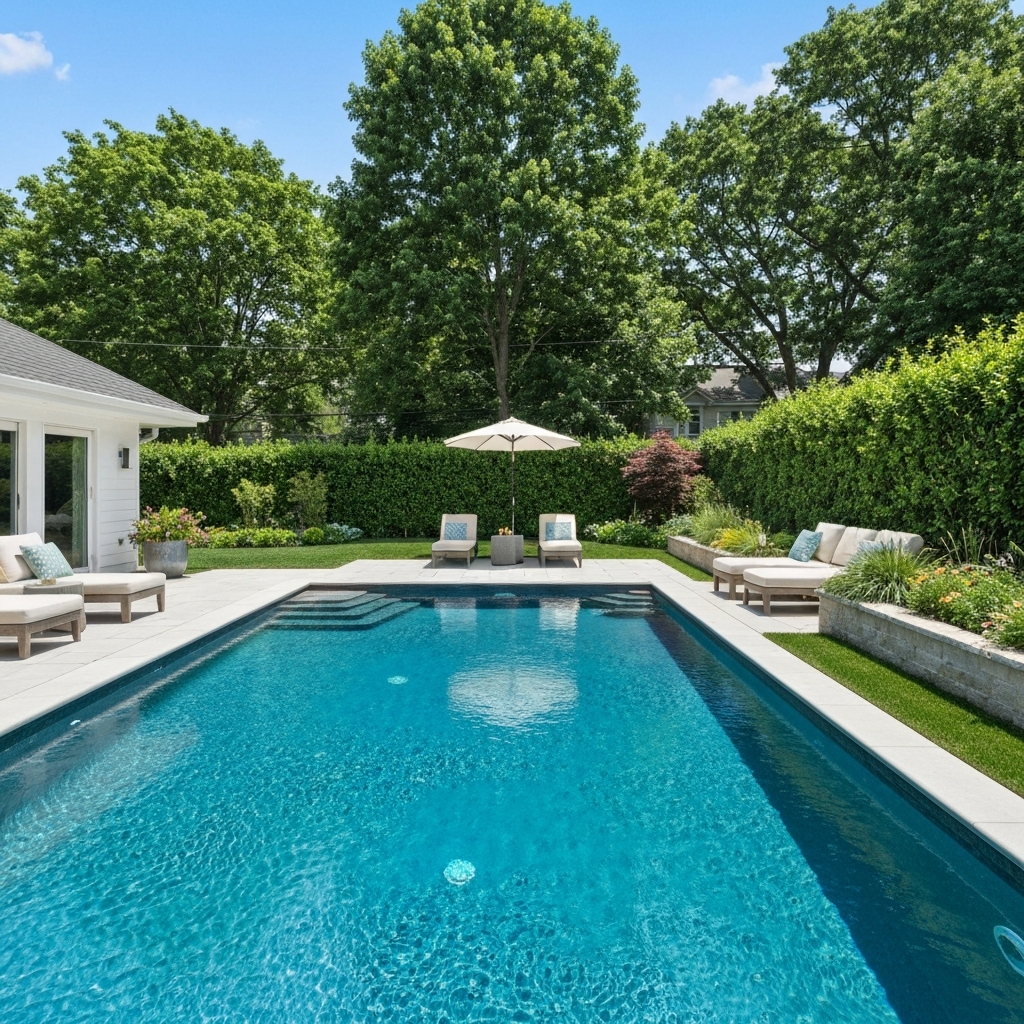
Key Highlights
- Building a swimming pool transforms your outdoor space into a personal oasis. Your pool design should match its intended use, whether for fitness, family fun, or aesthetics.
- When designing a commercial swimming pool, key considerations include adherence to local safety codes, ample space for guests, efficient circulation and filtration systems, and accessibility features. These elements ensure that the pool is safe, functional, and enjoyable for a wide range of users.
- Your pool design should match its intended use, whether for fitness, family fun, or aesthetics.
- Choosing the right materials, like concrete or fiberglass, impacts durability and maintenance.
- A qualified pool builder is essential for navigating local regulations and securing permits.
- Prioritizing safety features like fences and covers ensures a secure environment for everyone.
- Careful planning of your new swimming pool is the first step toward creating your dream backyard.
Pool Design Considerations
Adding a swimming pool to your home is an exciting journey that turns your outdoor space into a refreshing retreat. But before you dive in, asking the right questions is key to a successful project. Hiring the right pool builder and designer makes all the difference in bringing your vision to life. This guide will walk you through the essential questions to ask, ensuring your new pool is everything you dreamed of and more. Let’s get you ready to make a splash!
Understanding Your Pool Needs and Vision
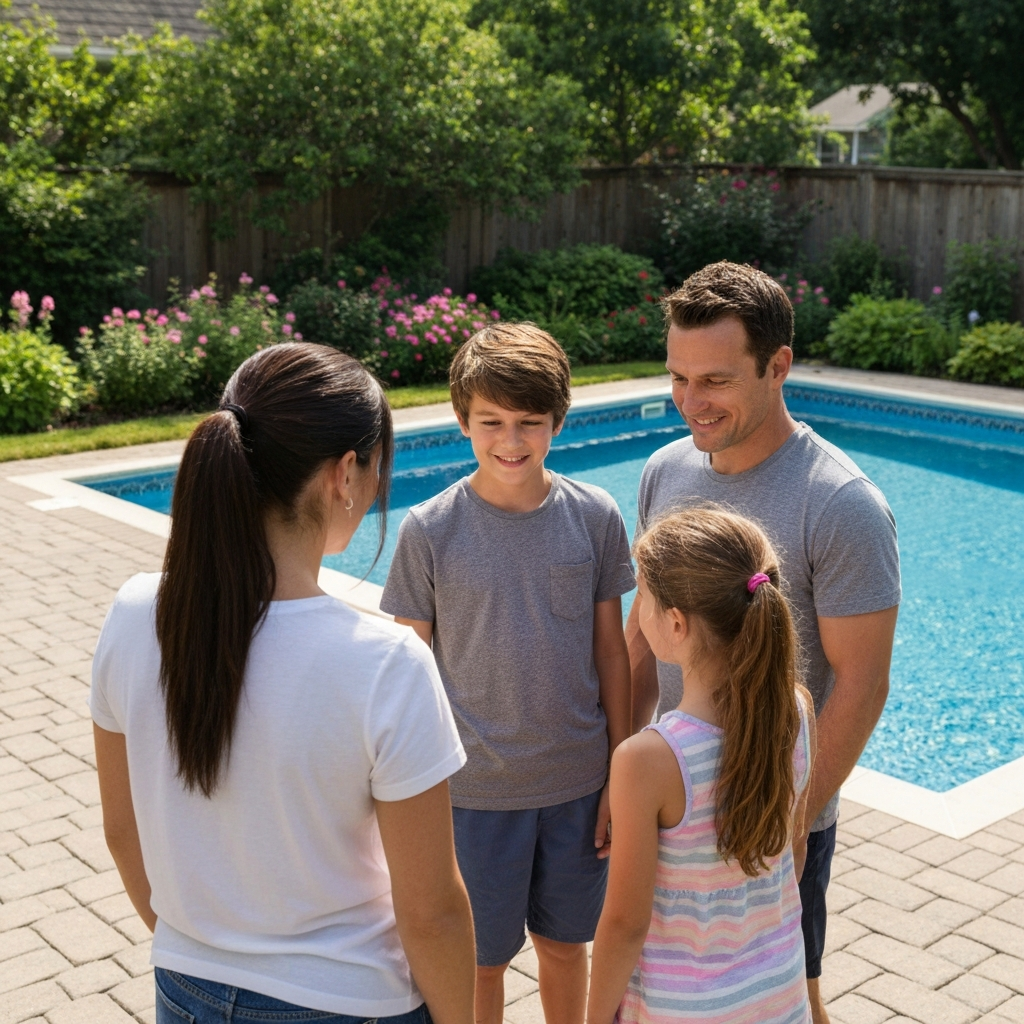
Before you begin your swimming pool project, it’s crucial to think about what you truly want. Consider the intended use of the pool. Is it for daily exercise, weekend family fun, or to be a stunning visual centerpiece? Your aesthetic preferences will also play a large role in the overall pool design.
Understanding these factors early on helps you avoid common planning mistakes. A clear vision for your new pool ensures the final result aligns perfectly with your lifestyle and enhances your home. Below, we’ll explore how to define your pool’s purpose and choose features for your family.
Defining Pool Purpose – Recreation, Fitness, or Aesthetics
What is the main reason you want a pool? The answer will guide your entire pool design. If family fun is your top priority, you might envision a pool with varying depths and plenty of space for games and splashing around. This type of pool becomes the heart of your backyard activity.
When deciding between indoor and outdoor pools, pool design differs in several key aspects. Indoor pools require considerations for ventilation, humidity control, and integrating the pool area with the building’s structure, while outdoor pools often focus more on landscaping, weather-resistance, and blending with the surrounding environment.
For those focused on fitness, a long, straight lap pool is a more practical choice. This design maximizes your ability to swim continuous laps for exercise. The intended use of the pool is one of the most important factors to consider before starting a swimming pool design, as form should always follow function.
Alternatively, your pool could serve as a beautiful focal point for your yard. In this case, the design might include unique shapes, waterfalls, or special lighting to create a tranquil and visually appealing atmosphere. Your luxury pool design can become a work of art.
Aligning Pool Features with Family and Guest Use
Once you know the pool’s purpose, you can select features that match your family’s needs. Creating a safe environment that caters to everyone is essential for maximizing enjoyment and preventing common design mistakes. Think about who will use the pool most often.
If you have young children, incorporating large shallow areas or a tanning ledge provides a perfect spot for them to play safely. For entertaining guests, you might consider adding built-in benches or a swim-up bar to make the pool area more social and inviting.
Consider these popular pool features for family fun:
- A gradual beach entry for easy access.
- Water features like bubblers or small fountains in shallow areas.
- Integrated spa or hot tubs for relaxation.
- Non-slip surfaces on the pool deck to prevent falls.
Assessing Site Conditions and Backyard Space
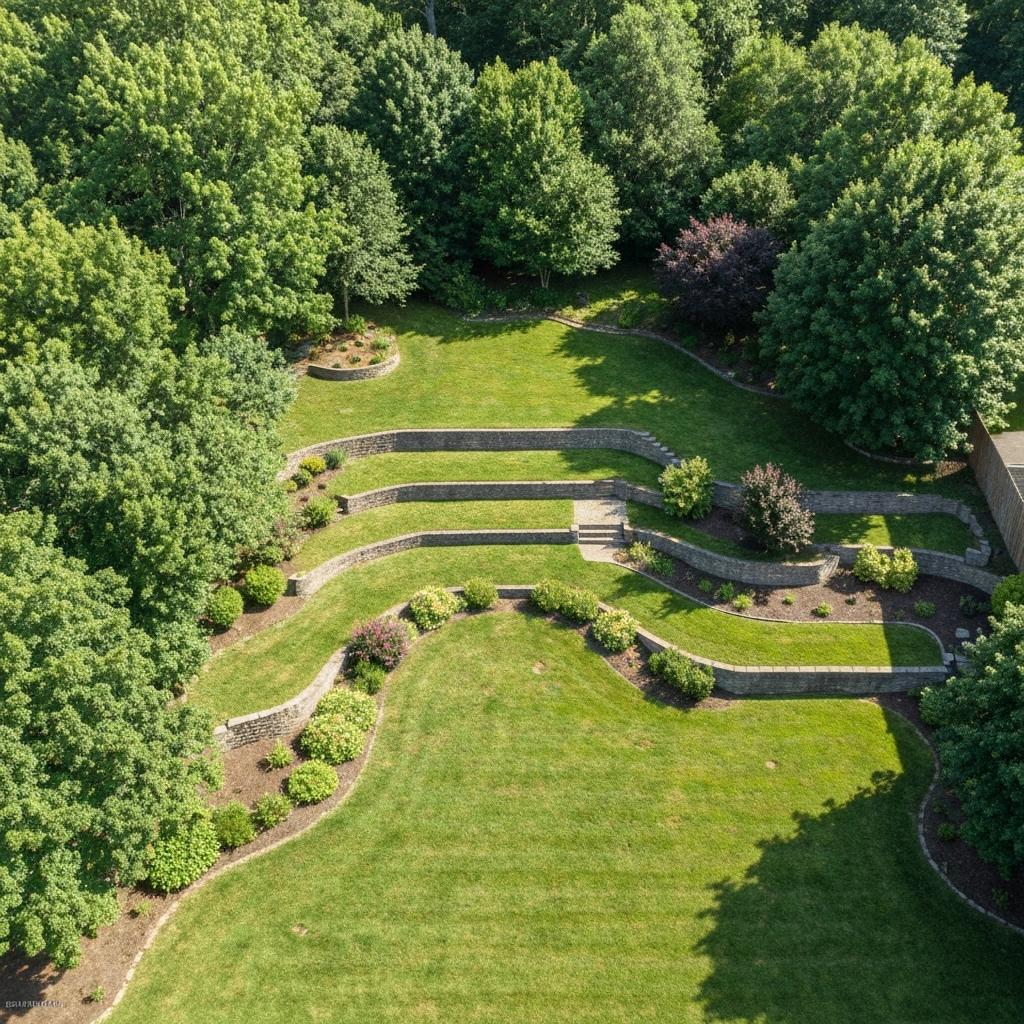
Your available outdoor space is one of the biggest factors in designing your backyard pool. A professional will help you analyze your property to determine the best location. This involves looking at the surrounding landscape, proximity to your house for convenience, and how the pool area will flow with the rest of your yard.
A well-placed pool not only looks great but can also be a major selling point for your home. It’s important to consider sunlight, privacy, and how the pool fits into the overall landscape. Let’s look closer at how to analyze your lot and integrate the design.
Analyzing Lot Size, Slope, and Sun Exposure
A thorough site analysis is the first step in pool construction San Diego. Your available space dictates the maximum size of your pool, but other elements are just as important. The slope of your land can impact excavation costs and design possibilities. A flat or gently sloping area is ideal for simpler construction.
Sunlight exposure is another key consideration. A spot with plenty of sun helps keep the water naturally warm, reducing heating costs. However, you might also want some shaded areas for lounging. Your local climate will influence decisions about heating and whether to add cooling water features.
Understanding these site-specific factors helps maximize your space.
| Site Factor | Why It’s Important | Design Consideration |
|---|---|---|
| Lot Size | Determines the maximum pool dimensions and deck space. | Choose a shape that fits comfortably, leaving room for safety fencing and landscaping. |
| Ground Slope | Affects the complexity and cost of excavation. | A sloping yard might be perfect for a stunning infinity pool design. |
| Sun Exposure | Impacts water temperature and overall comfort. | Position the pool to catch the sun but consider adding a pergola for shade. |
| Soil Type | Can influence the foundation and structural needs of the pool. | Your builder will assess the soil to ensure a stable base for construction. |
Integrating Pool Design with Existing Landscape and Home Style
Your pool should feel like a natural extension of your home and yard, not an afterthought. The best luxury pool design complements your home’s architecture and blends seamlessly with the surrounding landscape. Whether your home is modern or traditional, the pool’s shape, materials, and features should reflect that style.
Poolscaping, or landscape design around the pool, dramatically influences the overall experience. It creates ambiance, offers privacy, and ties the whole space together. Your design plans should include details about decking, patios, and plant choices. Some homeowners even add aquatic plants in features adjacent to the pool for a naturalistic feel.
To achieve a cohesive look, consider these points:
- Use materials for the pool deck that match or complement your home’s exterior.
- Choose a pool shape that echoes the lines of your house.
- Select plants that thrive in your climate and enhance privacy.
- Incorporate lighting that highlights both the pool and landscape features.
Choosing the Right Pool Shape and Size
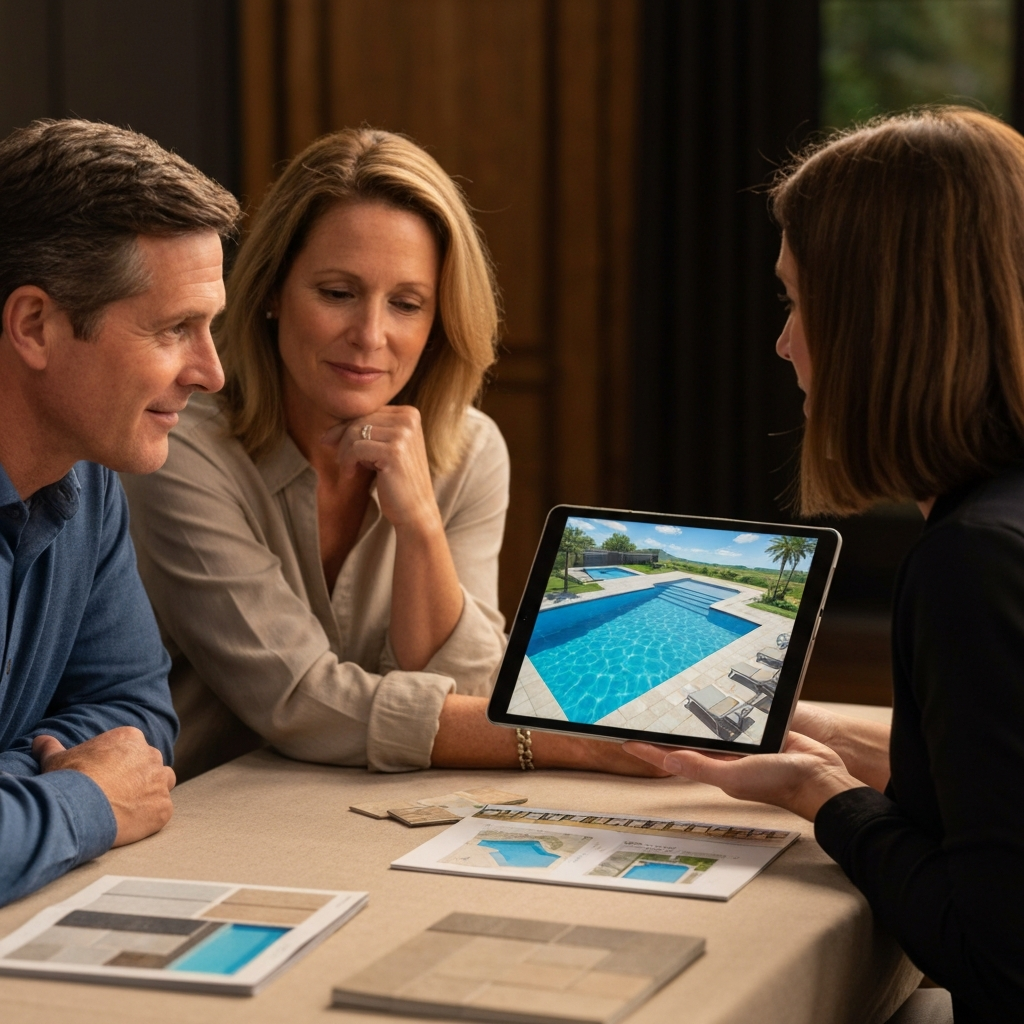
Selecting the right pool shape and pool size is a fun part of the design process. These choices depend on your property’s layout, how you plan to use your backyard pool, and your personal style. From classic rectangles to free-flowing organic shapes, the possibilities are endless.
The size of your pool will also determine the amount of surrounding pool deck you can have for lounging and entertaining. A custom pool builder San Diego like Del Rancho Pools can help you visualize different options and find the perfect fit. Next, we will explore some popular shapes and the factors that influence size selection.
Popular Shapes for Different Property Types
The shape of your inground swimming pool can define the character of your backyard. Rectangular pools are timeless and space-efficient, known for their clean lines, making them perfect for swimming laps. They are a classic choice for many homeowners.
Freeform or kidney-shaped pools offer a more natural, lagoon-like feel. These are great for properties with irregular shapes or for homeowners who want their pool to blend in with a lush landscape. For smaller yards, plunge pools provide a compact solution for cooling off and relaxing. Many backyard pool ideas integrate hot tubs with these shapes for year-round enjoyment.
Here are a few popular shapes to consider:
- Rectangular: Ideal for fitness and formal landscapes.
- Freeform: Creates a natural, organic look.
- Kidney-Shaped: A classic, soft shape that fits well in many yards.
- Infinity Pools: Offer breathtaking views, perfect for properties with a slope.
Factors Impacting Size Selection and Depth Design
Deciding on the size of the pool involves more than just measuring your yard. You need to think about how many people will be using it at once. A large family will need more space than a couple. The intended use of the pool is also a primary driver; a pool for laps needs to be longer than one just for relaxing.
The depth profile is another critical decision. A design with a large area of shallow water is great for families with kids or for those who enjoy lounging in the pool. For recreational swimming, a deep end of 5 to 6 feet is usually enough. Clearly marking the water level at different points is an important safety measure.
Remember to balance the size of the pool with the amount of deck space you want. You’ll need enough room for furniture, walkways, and landscaping to create a functional and beautiful environment.
Exploring Pool Construction Materials
The material you choose for your pool construction affects its look, durability, and long-term maintenance. The three most common options for inground pools are concrete, fiberglass, and vinyl liner pools. Each has its own set of benefits and considerations.
Your choice will depend on your budget, design preferences, and how much maintenance you’re willing to do. Some materials like concrete offer unlimited design freedom, while others like fiberglass provide quick installation. Let’s compare these options and discuss their durability.
Comparing Concrete, Fiberglass, and Vinyl Liner Pools
When it comes to pool construction, concrete (also known as gunite or shotcrete) offers the most design flexibility. It can be formed into any shape or size, making it perfect for custom projects. However, the installation process is longer and typically more expensive.
Fiberglass pools are pre-formed shells that are installed in one piece. This makes the installation process much faster. While their shapes are limited to the manufacturer’s molds, they have a smooth, durable surface that is resistant to algae.
Vinyl liner pools are built with a vinyl membrane over a structural wall. They are often the most budget-friendly option upfront and the liner can be replaced to give the pool a fresh look. Let’s compare them side-by-side.
| Material | Design Flexibility | Durability | Installation Time |
|---|---|---|---|
| Concrete | Unlimited shapes and sizes | Very strong and long-lasting | 8-12 weeks |
| Fiberglass | Limited to pre-made molds | Extremely durable, non-porous | A few days to a week |
| Vinyl Liner | Flexible shapes, but less custom | Liner needs replacement every 5-10 years | 1-3 weeks |
Durability, Maintenance, and Lifespan Considerations
Your choice of pool construction material directly impacts its lifespan and ongoing costs. Concrete pools are incredibly durable but require more maintenance to maintain water quality. Their porous surface can harbor algae, meaning more time spent balancing pool chemicals and brushing. They may also need to be resurfaced every 10-15 years.
Fiberglass pools have a non-porous gel coat that makes them very resistant to algae growth, reducing the need for pool chemicals and cleaning. This smooth surface is also gentle on swimmers’ feet. Their durability means fewer long-term repair costs.
Vinyl liner pools have the lowest initial cost, but the liner will need to be replaced periodically, which is a significant future expense. You also have to be careful with sharp objects to avoid tearing the liner. Each material requires functional pool equipment to maintain clean and safe water.
Understanding Permits, Zoning, and Regulations
Before excavation can begin, you must navigate a web of local regulations. Every city and county has rules about pool construction, and you’ll need to secure the proper permits from your local council before you can start building. These rules are in place for safety and to ensure the structure is sound.
Failing to get the right permits can lead to fines and costly delays. A professional pool builder is experienced in this process and can handle the paperwork for you, ensuring your project complies with all requirements from the start.
Essential Local Building Codes and HOA Rules
Following the rules is a non-negotiable part of building a pool. Your local council has specific building codes for residential pools that dictate everything from placement to safety features. These local regulations often specify how far the pool must be from property lines, your house, and other structures.
In addition to city or county rules, you may also need to follow Homeowners’ Association (HOA) rules. Some HOAs have their own guidelines regarding pool size, style, and fencing. It’s important to get approval from your HOA before finalizing your design plans to avoid any issues.
Checking these requirements early in the process saves you from potential headaches. Your pool builder can help you understand all the necessary permits and regulations in your area, ensuring your pool is both beautiful and compliant.
The Pool Builder’s Role in Obtaining Necessary Permits
Navigating the world of permits and regulations can be confusing for pool owners. This is where a reputable pool builder offers immense value. Their professional expertise means they know exactly what paperwork is needed and who to submit it to. They act as your representative with the local council.
A good builder manages the entire permit application process, from drawing up compliant plans to attending inspections. This frees you up to focus on the more exciting aspects of your pool project, like choosing tile and water features. Trusting a professional ensures everything is done correctly and legally.
Your pool builder will typically handle:
- Submitting detailed design plans to the local council.
- Ensuring all safety regulations are met in the design.
- Coordinating with inspectors throughout construction.
- Providing you with peace of mind that your pool is fully compliant.
Planning for Pool Safety and Accessibility
A swimming pool brings a lot of fun, but pool safety must always be the top priority. Creating a safe environment involves installing specific safety features required by law, such as a pool fence with a self-latching gate. Beyond the basics, think about accessibility for all family members and guests.
A well-designed pool is one that everyone can enjoy safely and easily. This means considering non-slip surfaces, easy entry and exit points, and clear depth markings. We’ll now cover the mandatory safety items and how to make your pool more accessible.
Mandatory Safety Features for Residential Pools
To ensure a safe pool area, several safety measures are required by law for residential pools. These are designed to prevent accidental access, especially by young children. A non-climbable pool fence of a specific height with a self-closing, self-latching gate is the most critical feature.
A sturdy pool cover is another essential safety item. When the pool is not in use, a cover provides a barrier that can prevent accidental falls into the water. Some covers also improve energy efficiency by reducing water evaporation and retaining heat.
In addition to barriers, other safety features can provide extra layers of protection.
- Alarms on doors and gates leading to the pool area.
- In-pool alarms that detect motion in the water.
- Clear depth markers that are easily visible.
- Non-slip decking material to prevent slips and falls.
Incorporating Accessibility for All Users
A truly great pool design is one that welcomes everyone, regardless of their age or physical ability. Thinking about accessibility during the design process ensures better ease of use for all. This can include features that make entering and exiting the pool safer and more comfortable.
Consider a “beach entry,” which is a sloped entrance that gradually descends into the water, just like a natural beach. This eliminates the need for stairs. Handrails along steps and slip-resistant surfaces on the pool deck and in shallow areas also greatly improve accessibility.
Other helpful features include built-in benches for resting within the pool and consistent lighting to ensure the entire area is visible after dark. Discussing these options with your builder from Del Rancho Pools will help you create a pool that is safe, comfortable, and enjoyable for every member of your family.
Conclusion
Building a pool can be an exciting yet daunting process, but asking the right questions is key to ensuring a successful project. From understanding your specific needs and vision to evaluating site conditions, materials, and safety features, each aspect plays a crucial role in your pool’s ultimate success. Remember, a well-planned pool project not only enhances your outdoor space but also brings joy and relaxation for years to come. Don’t hesitate to reach out for expert advice or assistance. If you’re ready to dive into your pool project, get in touch with us for a free consultation!
Frequently Asked Questions
What should I ask about hidden costs in a pool project?
Ask your pool builder for a detailed breakdown of all potential expenses. Inquire about excavation costs for your specific lot, the price of necessary pool equipment, and estimates for ongoing costs like pool chemicals and electricity. A transparent builder will help you understand the full financial picture upfront.
How does a pool builder’s warranty protect my investment?
A pool builder’s warranty protects pool owners by covering defects in materials and workmanship for your new pool. Ask about separate warranties for the pool structure, equipment, and finishes. Understanding the warranty gives you peace of mind that your investment is protected if issues arise after the design process and construction are complete.
Can poolscaping and additional outdoor features be added later?
Yes, many outdoor space enhancements can be added later. However, it’s best to include future desires in the initial design plans. Planning for future water features or electrical needs during construction is much more cost-effective than trying to add them to your poolscaping after the fact.