
Key Highlights
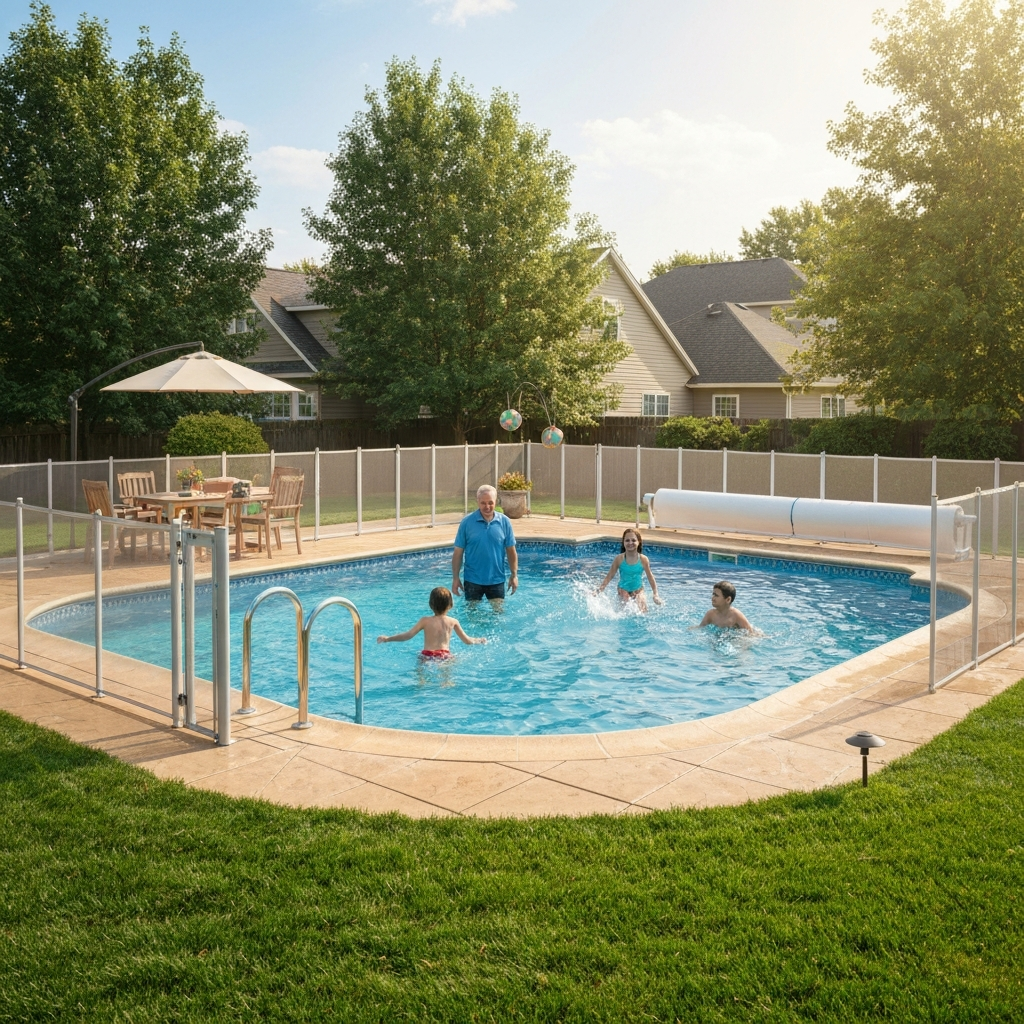
- Establishing clear pool safety rules and ensuring constant supervision are the first steps to protecting children.
- The most effective approach to water safety involves creating multiple layers of protection, not relying on just one. Formal swim lessons can significantly reduce the risk of drowning, especially for children between one and four years old.
- Some signs that a pool environment is unsafe for kids include lack of supervision, absence of safety barriers or locked gates, unclear pool rules, slippery surfaces, unsecured pool chemicals, and missing rescue equipment. Ensuring these safeguards are in place is vital to maintain layers of protection and ensure proper water safety.
- Formal swim lessons can significantly reduce the risk of drowning, especially for children between one and four years old.
- Essential pool safety equipment includes U.S. Coast Guard-approved life jackets and compliant drain covers.
- Adults should be prepared for emergencies by learning CPR and basic rescue procedures.
- Active and undistracted supervision, like a designated “water watcher,” is crucial whenever kids are near water.
Introduction
A backyard swimming pool promises endless summer fun and cherished family memories. However, enjoying your pool area safely requires understanding and respecting the water. Drowning is a silent and fast danger, and it remains the leading cause of unintentional injury death for children ages one to four. While devices like pool alarms and covers absolutely provide an important additional layer of protection by alerting adults to unsupervised pool access and physically restricting entry, no single solution guarantees complete safety. This guide will walk you through essential water safety practices that go beyond basic alarms and fences, giving you the tools to protect your family and minimize the risks of drowning.
Essential Pool Safety Rules for Children

Effective pool safety starts with clear communication and unwavering supervision. It’s vital to establish safety rules that your children can understand and follow every single time they are near the water, whether for a swim or just playing in the yard.
Many tragic accidents happen during non-swim times when a child wanders off. This is why constant supervision is non-negotiable, even during busy pool parties. The following tips will help you create and enforce these life-saving guidelines for your home pool.
Creating and Communicating Clear Pool Guidelines
Your family’s pool rules should be simple, direct, and repeated often. It’s a good idea to treat water safety with the same seriousness as road safety. Explain to your children that just like they can’t cross the street without a grown-up, they can’t go near the pool area without one either.
Make sure these guidelines are visible. You might consider posting a sign with your pool rules where everyone can see it. This reinforces the message and serves as a reminder for visitors, too. Discussing these safety tips regularly helps ensure they become second nature for your little ones.
For toddlers and young children, the rules should be very straightforward:
- Never go in or near the water without a grown-up.
- Always wait for an adult to get in the water with you.
- Keep toys away from the pool when you are not swimming.
Role of Adult Supervision Every Time Kids Swim
Children must be supervised every single time they are in or around a pool. For toddlers and small children, this means “touch supervision,” where an adult is within arm’s reach at all times. This close supervision of children is the most effective way to prevent an accident before it happens. Drowning can occur in seconds, often silently, so distractions like checking your cell phone can have devastating consequences.
When you have multiple adults present, designate a “water watcher.” This person’s only job is to watch the children in the water without any distractions. You can even use a special tag or lanyard to pass between adults, ensuring someone is always on duty.
Remember, a lifeguard at a public pool is an extra layer of protection, not a substitute for your direct attention. When everybody is watching, nobody is truly watching. Assigning a dedicated water watcher ensures focused supervision.
Building Layers of Protection Beyond Fences and Alarms
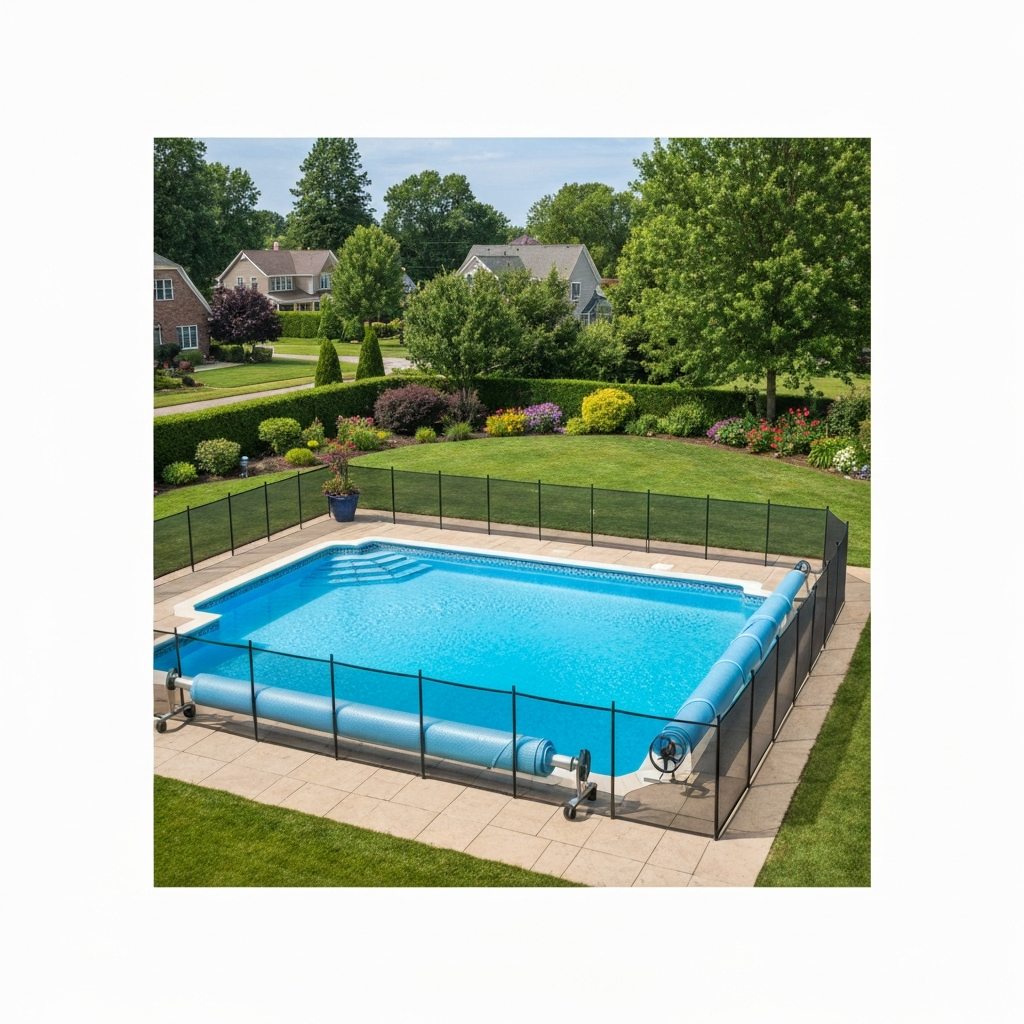
While fences and alarms are important, the most effective way to ensure pool safety is by creating multiple layers of protection. No single safety device is foolproof, but combining several measures creates a robust system that makes it much harder for a child to access the water unsupervised.
Thinking in layers means having several barriers and plans in place. These safety tips include physical barriers, specialized equipment, and personal skills. Each layer provides another chance to prevent a water emergency.
Using Approved Pool Barriers and Covers Effectively
The American Academy of Pediatrics recommends a four-sided fence that completely isolates the swimming pool from your house and yard. The best pool barriers are at least four feet high and have a self-closing, self-latching gate that opens away from the pool, with the latch out of a child’s reach. When planning your backyard, a custom pool builder San Diego can integrate this fencing into your luxury pool design from the start.
A rigid, motorized safety cover is another crucial layer that should be used whenever the pool is not in use, even during swim season. This cover should fit securely over the entire pool surface to prevent a child from slipping underneath.
Never prop a pool gate open, and ensure there are no gaps under the fence that a small child could squeeze through. Proper pool construction San Diego focuses on these details to create a secure environment.
Adding Multiple Safety Measures for Maximum Security
Beyond a fence and cover, several other safety measures can strengthen your layers of protection. These devices provide audible alerts that can make all the difference in a potential water emergency. Preventing a child from getting to the water in the first place is the ultimate goal of pool safety.
Consider adding alarms to any doors and windows that lead to the pool area. These alarms should sound every time the door or gate is opened, immediately alerting you that someone is heading toward the water.
Other valuable safety measures include:
- An in-pool alarm that detects when something or someone enters the water.
- Keeping the pool area clear of toys, which can tempt a child to enter the fenced area.
- Ensuring you have rescue equipment, like a shepherd’s crook and a life ring, easily accessible.
Must-Have Pool Safety Equipment for Families
Having the right pool safety equipment on hand is just as important as having barriers. These tools are designed to prevent serious injuries and aid in a rescue. From life jackets to proper entrapment drain covers, every piece plays a role in creating a safer swimming experience.
It’s crucial to understand the difference between pool toys and actual safety devices. Relying on the wrong item can create a false sense of security. Let’s look at the essential equipment every family with a pool should own and maintain.
Life Jackets, Pool Safety Rings, and Pool Drains
One of the most important safety tips is to use proper flotation devices. Inflatable water wings, noodles, and floaties are toys, not safety equipment. Small children and non-swimmers should always wear a U.S. Coast Guard-approved life jacket when in or around water. A life jacket is designed to keep a person’s head above water, while toys are not.
Pool drains are another serious hazard. The powerful suction outlets can trap hair, clothing, or limbs, leading to drowning. Teach your children to stay away from all pool drains. Ensure your pool has anti-entrapment drain covers, as required by the Virginia Graeme Baker Pool & Spa Safety Act.
Here’s a quick comparison of pool toys versus safety gear:
| Pool Toys | Safety Equipment |
|---|---|
| Inflatable floaties, noodles, water wings | U.S. Coast Guard-approved life jackets |
| Provide a false sense of security | Designed to keep a person afloat in an emergency |
| Should only be used with constant supervision | Essential for non-swimmers and young children near any body of water |
Selecting and Maintaining Reliable Pool Safety Tools
Your pool safety equipment is only effective if it’s in good working order. At the start of each pool season, it’s wise to have a professional inspect your entire pool system. If you’re considering pool remodeling San Diego, this is a great time to upgrade your safety features.
Check that your drain covers are secure and not broken or missing. A missing drain cover creates a dangerous entrapment risk. Modern pools should have dual drains for each pump or a safety vacuum release system, which automatically shuts off suction if a blockage is detected.
Regularly inspect your safety tools to ensure they are ready for an emergency:
- Check that your life jackets are free of tears and that the buckles work correctly.
- Make sure rescue equipment like reaching poles and rings are accessible and not weathered or cracked.
- Test your gate latches and door alarms to confirm they are functioning properly.
Water Safety Skills for Children and Parents
Beyond physical barriers and equipment, personal skills are a powerful tool for water safety. Educating both yourself and your children on how to behave in and around water can prevent accidents at home, at public pools, or on vacation.
From formal swim lessons for kids to CPR training for parents, building competence and confidence is a critical layer of protection. These skills empower your family to enjoy the water responsibly and know what to do if an emergency arises.
Swim Lessons and Teaching Safe Water Habits
Enrolling your child in formal swim lessons is one of the best things you can do for their safety. Studies show that lessons can reduce the risk of drowning by up to 88% for children ages one to four. These classes teach survival skills first, helping kids become comfortable in the water before learning strokes.
Look for programs that cater to different ages and skill levels at your local YMCA or a certified swim school. The goal is to build confidence and respect for the water, not to “drown-proof” a child. No one is ever completely immune to drowning.
In addition to lessons, teach these safe water habits at home:
- Always enter the water feet first, unless in a clearly marked diving area.
- Never play breath-holding games.
- Stay within designated swim areas and away from drains.
Emergency Preparedness: CPR and Rescue Procedures
In case of an emergency, being prepared can save a life. If a child accidentally falls into a pool, the first step is to get them out of the water immediately. If they are not breathing, someone should call 911 for emergency help while another person starts CPR. Acting immediately is far more effective than waiting for paramedics to arrive.
Parents and caregivers should get certified in CPR. The American Red Cross and local hospitals offer CPR classes for adults, children, and infants. It’s also a good idea to hang a weatherproof CPR instruction sign inside your pool fence.
Teach your children the “Reach, Throw, Don’t Go” rule. If they see someone in trouble, they should use a reaching pole or throw a flotation device instead of jumping in to attempt a rescue, which could lead to multiple drownings. Your knowledge and preparedness are the most powerful tools in a water emergency.
Conclusion
Ensuring children’s safety around pools requires more than just fences and alarms; it involves a comprehensive approach to pool safety. By establishing clear guidelines, maintaining diligent adult supervision, and investing in proper safety equipment, parents can create a secure environment for their kids. Additionally, teaching water safety skills and emergency preparedness equips children with the knowledge and confidence they need to navigate aquatic spaces safely. Remember, the goal is to prevent accidents before they happen. If you have questions or want to discuss best practices for pool safety, feel free to get in touch!
What is the most important pool safety measure I can implement?
The most important pool safety measure is constant supervision. Designate a responsible adult to watch children at all times when they are near the pool. Combining this with additional measures like fencing, alarms, and teaching kids to swim enhances overall safety and helps prevent accidents effectively.