
Key Highlights
- Building a swimming pool involves more than just the initial installation costs; be prepared for site prep and permit fees. For hidden water pools or Hydrofloor systems, it’s important to check for additional or hidden fees beyond the standard costs, such as specialized maintenance requirements or extra servicing charges that might not be included in the upfront quote.
- Your budget should account for essential safety features like fencing and increased insurance premiums. Always review the contract and get clarification from your installer to avoid unexpected fees associated with advanced pool systems.
- Ongoing pool ownership includes recurring pool maintenance costs for chemicals, water, and potential pool service.
- Your budget should account for essential safety features like fencing and increased insurance premiums.
- Long-term pool costs include equipment repairs, liner replacements, and seasonal opening and closing fees.
- Energy consumption from pumps and heaters will add to your monthly utility bills.
- Planning ahead for these hidden pool costs ensures a smooth and enjoyable experience from start to finish.
Introduction
Owning a swimming pool is a dream for many homeowners, promising endless summer fun and relaxation. However, the journey to inground pool installation and poolside bliss involves more than just the sticker price. Many buyers focus on the initial installation costs but often overlook a variety of hidden expenses. Understanding these additional costs from the beginning of your pool project is crucial. This guide will walk you through the common forgotten expenses to help you create a realistic and comprehensive budget for your new backyard oasis.
Most Common Hidden Pool Costs for Homeowners
When you begin your pool project, it’s easy to focus on the main construction. However, several common hidden pool costs can surprise you. These expenses often fall into categories like preparing your yard, getting the right permits, and unexpected construction needs. Being aware of these potential charges is the first step to managing your budget effectively.
To ensure your dream pool doesn’t turn into a financial headache, it’s important to discuss these possibilities with your pool builder, considering the unique conditions of their property. Let’s explore the specific costs that can arise before and during the installation at your home.
Site Preparation and Unexpected Excavation Fees
Before any pool construction begins, your yard needs proper site preparation. This process involves clearing the area, grading the land, and ensuring a stable foundation for your new pool. While a basic excavation is part of the initial installation costs, unexpected issues can lead to higher fees. What happens if the crew discovers something challenging underground?
Sometimes, the excavation process uncovers obstacles that require heavy machinery and extra labor to remove. These unexpected costs can quickly add up. Your pool contractor should be transparent about these potential charges before they start digging.
Factors that can increase excavation fees include:
- Large rocks or boulders that need to be broken up and removed.
- Thick tree roots that must be cleared.
- Difficult-to-access yards that complicate the use of equipment.
- Unstable soil that requires additional support.
Building Permits and Local Regulations
Installing a swimming pool is a major construction project that requires approval from your local municipality. Obtaining the necessary building permits is a critical step, and the fees can vary significantly depending on where you live. These permits ensure your new pool meets all safety and construction codes.
Failing to account for these costs can be a surprise. Local regulations can be complex, and you might need multiple permits for different aspects of the job, such as electrical work or fencing. A professional pool builder can help you navigate this process, but the fees themselves are an extra expense you need to budget for.
Don’t underestimate this part of your pool project. Missing paperwork or failing to comply with local regulations can lead to costly delays or fines. Ensuring all permits are in order before construction starts will save you time, money, and stress down the road.
Hidden Installation Expenses Many Miss
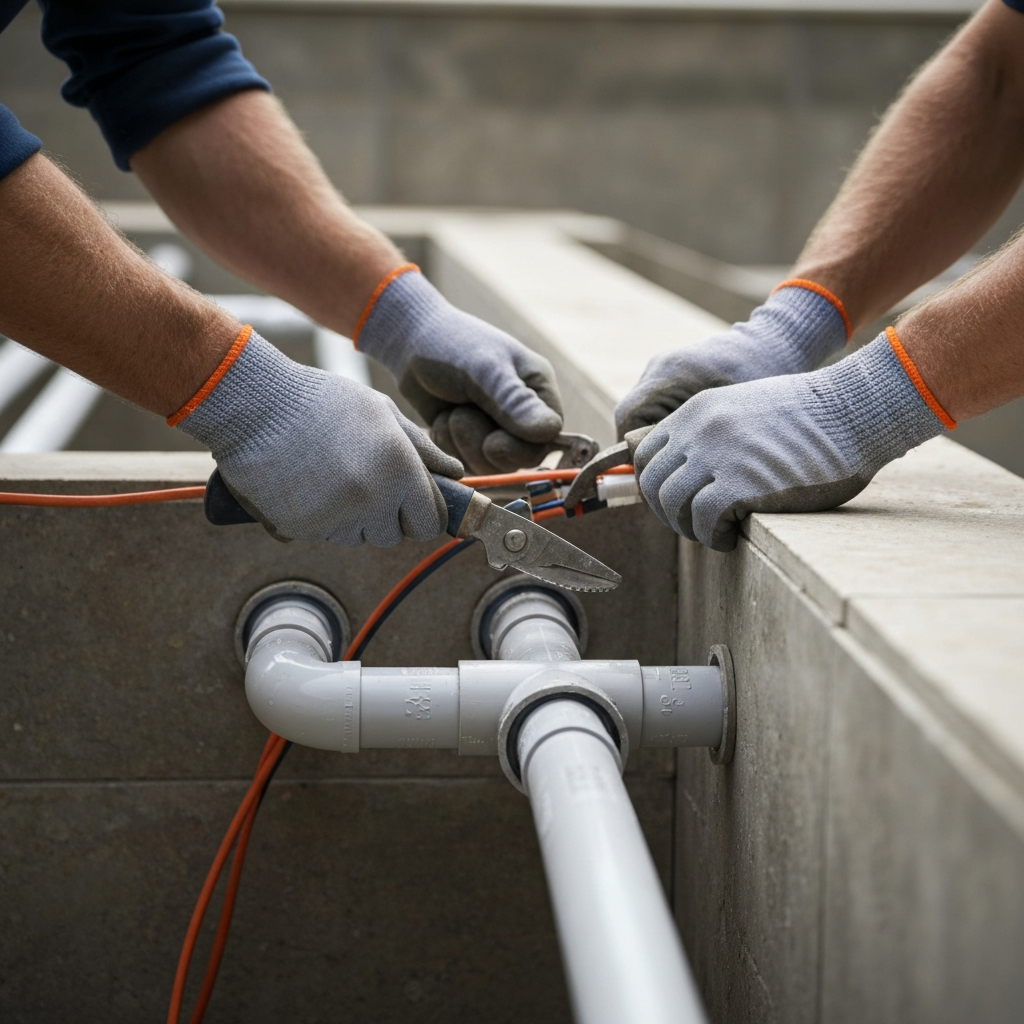
Beyond the basic excavation and permits, several other hidden installation costs can pop up. These are often related to the unique conditions of your property and aren’t always included in the initial quote. The final specification of your project may need to change based on what’s discovered during the pool installation process.
Are you prepared for expenses like moving utility lines or adding structural support to your yard? These are common surprises that many homeowners don’t consider when planning their budget. The following sections will detail some of these often-missed installation expenses.
Utility Line Relocation and Upgrades
During the planning phase of your pool project, your contractor will identify the location of underground utility lines, including gas, water, and electrical wiring, which are crucial in the pool industry. If these lines run through the proposed pool area, they will need to be moved. This is a non-negotiable step that ensures safety and compliance with building codes.
The cost of relocating utility lines can catch many homeowners by surprise. It involves hiring specialized professionals and can add a significant amount to your total budget. These are additional costs that are separate from the primary pool installation and are often not included in the initial estimate.
Depending on the new equipment you’re installing, you might also need to upgrade your home’s electrical panel to handle the increased load from a pool pump or heater. Always ask your pool builder or a local contractor about potential utility-related expenses before finalizing your plans.
Retaining Walls and Extra Landscaping
The terrain of your backyard plays a huge role in the final pool installation costs. If your yard has a slope, you will likely need a retaining wall to create a level area for the pool and pool deck. This structural addition prevents soil erosion and provides necessary support, but it’s an expense many don’t anticipate.
After the construction is complete, your yard will need some attention. Professional landscaping helps restore the beauty of your property and turns your new pool into a stunning outdoor living area. Many great backyard pool ideas involve creative landscaping to complete the look.
Here are a few things to consider:
- Retaining walls can cost thousands of dollars, depending on the size and materials.
- New sod, plants, or pavers are needed to repair damage from heavy machinery.
- Landscaping design can range from a simple lawn to an elaborate garden, impacting the cost.
Overlooked Ongoing Pool Maintenance Costs
Once your beautiful new pool is installed, the expenses don’t stop. Many first-time pool owners are surprised by the ongoing pool maintenance costs required to keep the water clean and safe. These recurring expenses include everything from pool chemicals to professional pool service.
These costs are a permanent part of pool ownership, so it’s essential to factor them into your monthly budget from day one. Are you ready for the commitment of regular upkeep? Let’s look at some of the specific maintenance costs that you should plan for.
Chemical Supplies, Salt, and Water Balancing
Maintaining a healthy swimming pool requires a consistent routine of water care. You’ll need to regularly purchase pool chemicals like chlorine to sanitize the water and prevent algae growth. Proper water balancing is key to ensuring the pool is safe and comfortable for swimmers and helps protect the pool surfaces and equipment.
If you have a saltwater pool, you won’t need to add as much chlorine, but you will need to purchase bags of salt periodically. You’ll also need a water testing kit to monitor pH, alkalinity, and calcium levels. These supplies might seem small, but the costs add up over a swimming season.
Whether you handle the maintenance yourself or hire a pool service, these supplies are a recurring expense. Budgeting for a few hundred dollars per year for chemicals and testing supplies is a realistic starting point for most pool owners.
Pool Equipment Repairs and Replacements
Your pool’s circulation and filtration system works hard to keep the water clean. Over time, parts of this system will wear out and require repairs or even complete replacement. While warranties may cover some initial issues, you should be prepared for these expenses in the long run.
A broken pump or a malfunctioning filter can bring your pool fun to a halt. Setting aside a contingency fund for unexpected repairs can prevent a major headache. A trusted pool builder can recommend quality pool equipment, but even the best parts have a limited lifespan.
Here are some common items that may need repairs or replacement:
- Pool pumps
- Filter cartridges, sand, or D.E.
- Heaters
- Pool lights
Proper maintenance can extend the life of your equipment, but it’s wise to plan for these eventual replacement costs.
Safety and Compliance Costs You Can’t Ignore
When you own a pool, safety is your top priority. Local laws and insurance policies require specific safety measures to prevent accidents. These compliance-related expenses are not optional and must be included in your overall budget. From fence installation to increased insurance premiums, these costs protect you and your loved ones.
Are you aware of the safety regulations in your area? Ignoring them can lead to fines and, more importantly, create a dangerous environment. Let’s explore the essential safety and compliance costs that you cannot afford to overlook.
Fence Installation and Safety Barriers
Nearly every municipality requires a fence or other safety barriers around an inground pool. This is one of the most important parts of your pool project, as it helps prevent accidental drownings, especially for children and pets. The cost of fence installation can be a major expense that some homeowners forget to include in their initial budget.
The type of fence you choose will affect the price, but this is not an area where you should cut corners. Safety should always come first. In addition to fences, you might consider other safety barriers like automatic pool covers or pool alarms for an extra layer of protection.
Here are some key points about pool fencing:
- Local codes dictate the required height and gate latch specifications.
- Fence materials can range from aluminum to wood or vinyl.
- Installation can cost anywhere from $3,000 to $10,000 or more.
- A custom pool builder in San Diego can integrate the fence into your luxury pool design.
Insurance Premium Increases and Liability Coverage
Adding a swimming pool to your property will almost certainly increase your homeowner’s insurance premiums. From an insurer’s perspective, a pool is an “attractive nuisance,” which means it increases the risk of accidents and liability claims. You’ll need to contact your insurance agent to update your policy.
Most insurance companies will require you to increase your liability coverage to protect yourself financially in case of an accident. This additional coverage is a crucial part of responsible pool ownership. The exact increase in your premium will depend on your provider and the safety features you have in place.
Be sure to shop around and get quotes from different insurance providers after your pool installation is complete. Installing safety features like a fence and an automatic cover may help you qualify for discounts. Don’t wait until after an incident to find out your coverage is inadequate.
Less Obvious Long-Term Pool Ownership Expenses
Beyond the initial build and basic maintenance, pool ownership comes with other long-term costs that can accumulate over the years. These expenses are often less obvious but are an inevitable part of having a pool. Thinking about these costs now will help you prepare for the financial commitment ahead.
From rising utility bills to seasonal service fees, these ongoing expenses are part of the total cost of owning a pool. Let’s examine some of the less apparent long-term costs you should factor into your budget.
Energy Consumption from Heaters and Pumps
Your pool’s pump and heater are essential for circulation and comfortable water temperatures, but they also contribute to higher energy consumption. Running your pool pump for several hours a day will noticeably increase your monthly electricity bill. If you have a pool heater, your gas or electric bill will be even higher, especially if you want to extend your swimming season.
The amount of energy your pool uses depends on its size, your climate, and the efficiency of your equipment. For example, a larger pool requires a more powerful pump that runs longer. A custom pool builder in San Diego can help you choose energy-efficient options to manage these costs.
Here is a look at how costs can vary by pool type and equipment:
| Expense | Vinyl Liner Pool | Fiberglass Pool | Concrete Pool |
|---|---|---|---|
| Monthly Pump Energy Cost | $30 – $50 | $30 – $50 | $40 – $60 |
| Monthly Heater Energy Cost | $100 – $300 | $100 – $300 | $150 – $400+ |
Choosing a variable-speed pump and using a pool cover can significantly reduce your energy consumption.
Opening, Closing, and Seasonal Service Fees
If you live in an area with colder climates, you can’t leave your pool open year-round. You’ll need to properly “close” or winterize it in the fall and “open” it again in the spring. This process involves more than just putting on a pool cover. It requires balancing chemicals, lowering the water level, and protecting the plumbing from freezing.
Many homeowners hire a professional pool service to handle this task, which comes with seasonal fees. While it’s possible to do it yourself, an improper closing can lead to expensive damage. These opening and closing costs are a predictable part of your annual pool maintenance costs.
A typical professional service includes:
- Removing and storing the pool cover.
- Reconnecting the pump and filter system.
- Adding initial “startup” chemicals.
- Cleaning the pool and pool deck.
- Inspecting equipment for any issues.
Conclusion
In summary, owning a pool can come with a host of hidden costs that are often overlooked during the budgeting process. From site preparation fees to ongoing maintenance and safety compliance expenses, these financial surprises can impact your overall enjoyment of your pool. By staying informed about these potential costs and planning accordingly, you can create a more realistic budget and avoid any unwelcome financial stress. If you’re ready to dive deeper into understanding these costs or need assistance in budgeting for your pool, get in touch with us today!
Frequently Asked Questions
How do hidden costs differ between concrete and fiberglass pools?
A concrete pool generally has higher long-term maintenance costs due to needing acid washing and resurfacing every few years. A fiberglass pool has lower lifetime costs, but the initial pool installation costs for the pre-made pool shell can be higher. Both require budgeting for chemicals, electricity, and repairs.
What are the most common surprise expenses after a pool is installed?
The most common surprise pool costs after installation are ongoing pool maintenance costs, including chemicals and higher utility bills. Other surprises include the cost of equipment repairs, replacing a pool cover, and increased homeowner’s insurance premiums. Hiring a professional pool service also adds to the monthly expenses.
How can homeowners plan their budget to avoid unexpected pool costs?
A homeowner can plan their budget by getting detailed quotes from multiple contractors that outline all potential pool costs. It’s also wise for any pool owner to add a contingency fund of 15-20% to the total pool project cost to cover any unforeseen expenses during the pool installation.