
Key Highlights
- Converting a chlorine pool to a saltwater pool involves installing a saltwater system and adding pool salt.
- A key benefit of a saltwater pool is the softer, gentler water that is less irritating to skin and eyes.
- The saltwater system uses a chlorine generator to automatically produce chlorine, reducing daily maintenance.
- While upfront costs for a pool conversion are higher, you can see long-term savings on chemicals.
- A saltwater system requires specific maintenance, including regular salt cell cleaning and water testing.
Introduction
Are you thinking about switching from a traditional chlorine pool to a saltwater pool? Many pool owners are making the change for reasons like softer water and easier maintenance. Converting your pool might seem like a big project, but it can be a straightforward process. This guide will walk you through the pros and cons of making the switch, helping you decide if a saltwater pool is the right choice for your backyard oasis.
Understanding Chlorine and Saltwater Pools
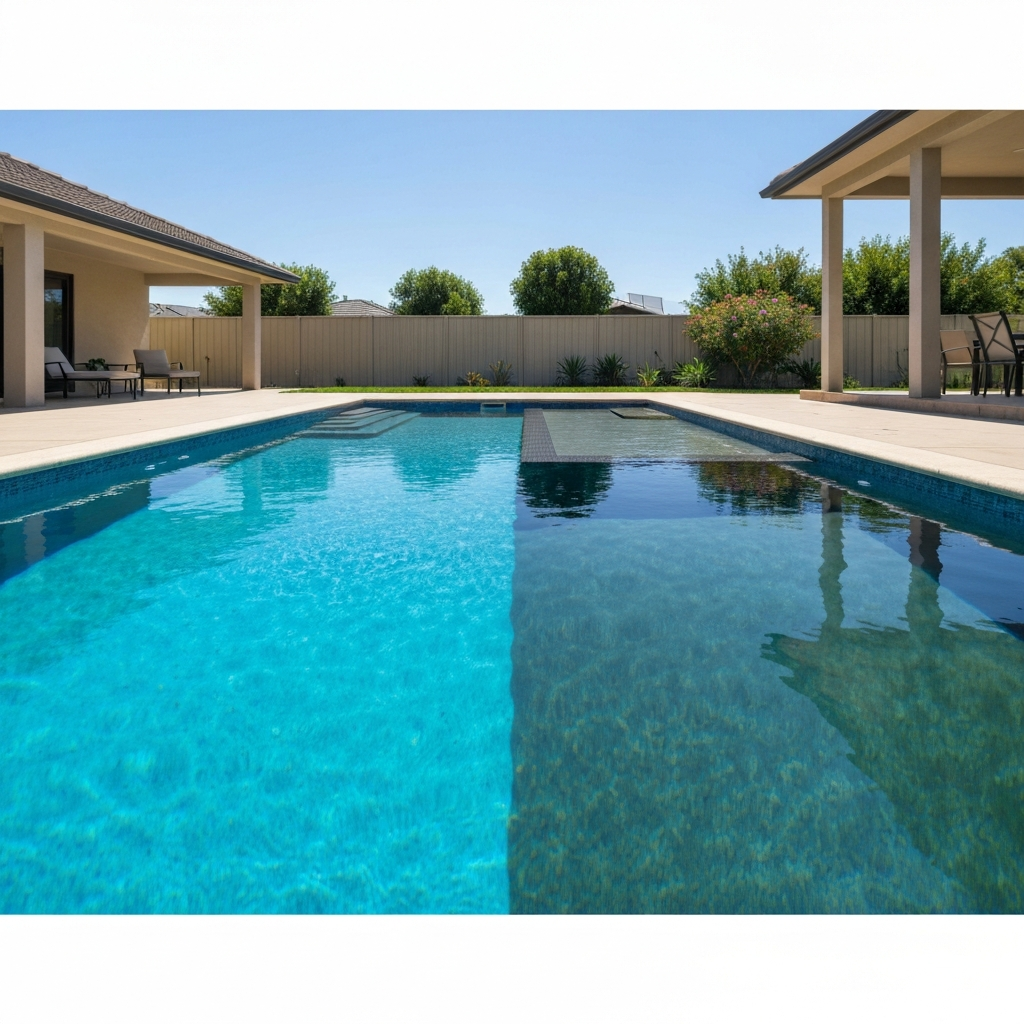
Before deciding on a conversion, it’s helpful to know how each type of pool works. A traditional chlorine pool requires you to manually add chlorine to keep the water clean. A saltwater pool, on the other hand, uses a generator to turn sodium chloride (salt) into chlorine automatically.
Both systems use chlorine to sanitize the water, but the delivery method is the main difference. Understanding this distinction in water chemistry is the first step in comparing a chlorine pool to a saltwater pool. Let’s look at each system more closely.
What Is a Chlorine Pool?
A traditional chlorine pool is what most people picture when they think of a swimming pool. To keep the pool water clean and safe, pool owners must manually add chlorine in the form of tablets, liquid, or granules. This process is essential for maintaining proper chlorine levels and preventing algae and bacteria growth.
Maintaining the water chemistry in a chlorine pool involves regular testing. You have to monitor not just chlorine, but also pH, alkalinity, and cyanuric acid levels to ensure the chlorine works effectively. This hands-on approach means frequent trips to the pool store and higher annual chemical costs.
For many pool owners, managing a traditional chlorine pool is a familiar routine. However, the process of constantly buying, storing, and handling chemicals is what leads many to consider converting to a more automated saltwater system. Upgrading your pool is one of the best backyard pool ideas for enhancing your home.
What Is a Saltwater Pool?
A saltwater pool isn’t like swimming in the ocean. It uses a special piece of equipment called a saltwater chlorine generator, or salt system, to keep the water clean. This system takes a small amount of sodium chloride (pool salt) dissolved in the water and converts it into chlorine through a process called electrolysis, which happens inside the salt cell.
This means you don’t have to manually add chlorine. The chlorine generator produces a steady, consistent supply of chlorine automatically, making maintenance much simpler for saltwater pool owners. The salt concentration is very low, usually around 3,000 parts per million (ppm), which is far less than the ocean’s 35,000 ppm.
The primary benefit is this automated sanitization. Once the salt level in your swimming pool is correct, the saltwater system does the hard work for you. This steady production of chlorine keeps the water consistently clean and clear with less daily effort.
Key Differences Between Chlorine and Saltwater Pools
The biggest difference between a chlorine pool and a saltwater pool is how the chlorine gets into the water. A saltwater pool creates its own chlorine using a salt chlorinator, while a traditional pool requires you to add it yourself. This fundamental difference affects maintenance, cost, and the swimming experience.
A saltwater pool provides a more hands-off approach to water chemistry. The chlorine generator keeps levels stable, reducing the sharp highs and lows you might get with manual dosing in a chlorine pool. This leads to gentler water and potentially lower long-term chemical costs.
Here are the key distinctions:
- Sanitization: Saltwater pools use a chlorine generator to create chlorine from salt; chlorine pools require manual addition of chlorine products.
- Maintenance: Salt systems automate chlorine production, while chlorine pools need daily or weekly chemical handling.
- Feel: Saltwater feels softer and is less likely to cause skin or eye irritation.
- Cost: Saltwater pools have a higher upfront cost but can offer cost savings on chemicals over time.
Why Consider Converting to a Saltwater System?

So, why are so many pool owners making the switch to a saltwater system? The appeal often comes down to convenience and comfort. A saltwater pool offers a more luxurious and pleasant swimming experience with water that feels silky smooth and is gentler on your skin and eyes.
For those tired of the constant cycle of buying and adding chemicals, a pool conversion can be a game-changer. The automated nature of a saltwater system means less work and more time enjoying your pool. Below, we’ll explore some of the top reasons people choose to convert.
Popular Reasons for Making the Switch
Deciding to switch from a chlorine pool to a saltwater pool is a big step, but for many, it’s a good idea. One of the main drivers is the desire for a better swimming experience. Saltwater is known for being gentler on the body, reducing the skin irritation and red eyes often associated with traditional pools.
Another major factor is convenience. With a saltwater system, you no longer need to handle and store large quantities of chlorine. This means fewer harsh chemicals around your home and less worry about running out. The absence of a strong chemical smell is another huge plus for many families.
Here are some popular reasons to consider a pool conversion:
- Softer Water: Saltwater feels noticeably smoother and less abrasive.
- No Chlorine Odor: Say goodbye to the potent smell of chloramines.
- Reduced Irritation: Less chance of dry skin, itchy eyes, and brittle hair.
- Lower Chemical Costs: You’ll spend less on chlorine tablets and shock over the year.
Benefits of Saltwater Pools Compared to Chlorine
The advantages of a saltwater swimming pool extend beyond just convenience. Saltwater pool owners consistently report a superior swimming experience. The water has a soft, silky feel that is noticeably different from the water in a traditional chlorine pool. This is because the salt acts as a natural water softener.
This softer water is much kinder to your body. With a lower salt concentration than human tears, the water is less likely to cause irritation to your eyes and skin. Swimmers often find they can enjoy the pool for longer periods without discomfort, and their hair and swimsuits don’t feel as dry or damaged afterward.
The main benefits that enhance the swimming experience include:
- Silky, Softer Water: The low salt level creates a more pleasant water texture.
- Gentle on Eyes and Skin: Reduces the stinging and drying effects of chloramines.
- No Harsh Odors: Enjoy your pool without the strong smell of chlorine.
- Consistent Water Quality: The automated system keeps the water balanced and comfortable.
Is Saltwater Right for Your Pool Needs?
While a saltwater pool offers many benefits, it’s not the perfect fit for every swimming pool or every owner. Before you decide to convert, you should consider your budget, your pool’s construction, and your willingness to learn a new maintenance routine. The initial cost of a saltwater system can be significant, so it’s an important factor for many pool owners.
You also need to think about your specific pool. The pool size will determine the size of the generator you need, and the type of pool surface can also play a role. Saltwater can be more corrosive than traditional pool water, so you’ll need to assess if your pool equipment and surfaces are compatible.
Ultimately, the decision depends on your priorities. If you value softer water, less daily chemical handling, and a more pleasant swimming experience, a saltwater pool could be an excellent investment. However, if you are concerned about upfront costs or potential corrosion, you may want to stick with a traditional system.
Evaluating Your Pool for Saltwater Conversion
Before you buy any new equipment, you need to make sure your current pool is ready for a saltwater pool conversion. This means taking a close look at your pool’s surfaces, liner, and existing pool equipment. Saltwater has different properties than chlorinated water, and not all materials hold up well against it.
A thorough evaluation will help you avoid costly surprises down the road. You’ll want to check everything from your pool pump to your handrails. The following sections will guide you through what to look for when assessing your pool’s suitability for saltwater.
Checking Pool Surface Compatibility
The type of pool surface you have is a critical factor in a saltwater pool conversion. Saltwater can be slightly more aggressive on certain materials. For example, some types of natural stone coping and plaster finishes can be susceptible to pitting or erosion over time if the pool water is not properly balanced.
Pool owners with vinyl liners generally have fewer concerns, as vinyl is quite resistant to salt. For those with plaster or concrete pools, it’s important to maintain proper water chemistry, especially calcium hardness and pH levels, to protect the pool surface. A balanced salt level is also key to preventing issues.
Before proceeding, inspect your swimming pool’s surfaces for any existing damage. If you have concerns about your pool’s finish, it might be a good idea to consult a professional. Pool remodeling San Diego experts can assess your pool and recommend the best course of action to ensure a successful conversion.
Assessing Existing Pool Equipment
Most modern pool equipment is designed to be compatible with a saltwater pool system. In most cases, your existing pool pump and pool filter will work just fine after a pool conversion. The main addition to your setup will be the salt chlorinator itself, which includes a control unit and a salt cell.
However, you should check any metal components in your system. This includes heaters with copper heating elements, certain types of lights, and any metal fittings. Salt can accelerate corrosion on some metals. If you have an older pool heater, you might need to upgrade to a model with a titanium heat exchanger, which is resistant to corrosion.
When choosing a salt chlorinator, make sure it is properly sized for your pool size. An undersized system will have to work too hard and may not last as long. A professional can help you ensure all your pool equipment is ready for the switch.
Identifying Any Limitations or Risks
While a saltwater pool has many advantages, it’s important for pool owners to be aware of the potential limitations and risks. The primary concern is corrosion. Saltwater can be corrosive to metal parts, including ladders, handrails, light fixtures, and some pool equipment.
Another consideration is that a saltwater chlorine generator requires a higher upfront investment than traditional chlorination methods. The salt cell, a key component of the system, will also need to be replaced every 3-5 years, which is an ongoing expense to factor into your budget.
Here are some potential risks to consider before a pool conversion:
- Corrosion: Salt can damage metal components in and around the pool if not managed.
- Upfront Cost: The initial purchase of a saltwater system is a significant expense.
- Surface Damage: Some pool surfaces, like certain types of stone, can be vulnerable to salt.
- Warranty Issues: Converting to salt may void the warranty on some pool equipment or surfaces.
What You’ll Need to Convert a Chlorine Pool to Saltwater
Ready to make the change from a chlorine pool to a saltwater pool? The good news is that the pool conversion process doesn’t require a complete overhaul of your existing setup. The main things you will need are a salt chlorinator and high-quality pool salt.
This equipment works with your current pool pump and filter to create a complete saltwater system. In the sections below, we’ll cover the essential components you’ll need to buy and offer tips on how to choose the right products for your pool.
Essential Equipment and Components
The heart of any saltwater pool conversion is the saltwater chlorine generator. This device is what turns salt into chlorine. It consists of two main parts: the control board and the salt cell. The control board is the “brain” of the salt system, allowing you to adjust chlorine output, while the salt cell is where the magic of electrolysis happens.
The salt cell is plumbed into your pool’s return line, after the filter and heater. As water passes through the cell, a low-voltage electrical charge converts the dissolved pool salt into pure chlorine. This freshly made chlorine is then circulated throughout your pool to sanitize the water.
Here is the essential equipment you’ll need for your pool conversion:
- Saltwater Chlorine Generator: This includes the control board and the salt cell.
- Pool Salt: You will need a specific amount of high-purity, food-grade salt.
- PVC Piping and Glue: For installing the salt cell into your plumbing.
- Basic Tools: Such as a hacksaw or PVC cutter for the installation.
Choosing a Saltwater Chlorine Generator
Selecting the right saltwater chlorine generator is the most important decision you’ll make in this process. The correct salt chlorinator for your pool depends primarily on your pool volume. It’s always a good idea to choose a chlorine generator that is rated for a pool slightly larger than your own. This ensures the system won’t have to run at 100% capacity all the time, which can extend its lifespan.
Different models offer various features. Some control boards have digital displays that show the current salt level and water temperature, while others might have a “super-chlorinate” or “boost” function for times when your pool needs extra sanitization. Consider which features are most important to you.
When comparing models, look at the chlorine output (measured in pounds per day) and the warranty. A longer warranty often indicates a higher-quality unit.
| Factor | What to Look For |
|---|---|
| Pool Size | Choose a generator rated for a pool volume larger than yours. |
| Chlorine Output | Ensure it can produce enough chlorine for your pool’s needs. |
| Features | Look for digital readouts, a boost function, and self-cleaning capabilities. |
| Warranty | A longer warranty (3-5 years) is a good sign of quality. |
Pool Grade Salt Selection Tips
Once you have your generator, you’ll need the right kind of pool salt. It’s crucial to use only salt that is specifically intended for swimming pools. This is called pool grade salt, and it is at least 99.8% pure sodium chloride. Using other types of salt, like water softener salt or rock salt, can introduce impurities that may stain your pool or damage your equipment.
The amount of salt you need depends on your pool size and the manufacturer’s recommendation for the ideal salt concentration. Most systems operate with a salt level between 2,500 and 4,500 ppm. You can use a simple formula or an online calculator to determine the exact number of pounds needed for your pool.
Here are some tips for selecting and using pool salt:
- Use Only Pool Grade Salt: Ensure it is 99.8% or higher pure sodium chloride.
- Avoid Impurities: Do not use salt with anti-caking agents or other additives.
- Calculate Correctly: Determine the right amount of salt for your pool volume.
- Dissolve Completely: Brush the salt around the pool to help it dissolve and prevent piles from forming.
Step-by-Step Guide to Converting a Chlorine Pool to Saltwater
Now that you know what you need, it’s time to begin the saltwater pool conversion. The process can be broken down into a few simple steps. From balancing your water to turning on your new saltwater system for the first time, this guide will walk you through each phase of the pool conversion.
Following these steps will help ensure your saltwater pool conversion goes smoothly and you get the best results from your new system. Let’s get started on transforming your pool.
Step 1: Test and Balance Pool Water
The very first step is to get your pool water perfectly balanced. Before you add any salt or install new equipment, you need a clean slate. Use reliable test strips or a liquid test kit to check your water chemistry. You want to make sure every level is within the ideal range.
Your goal is to have clear water with balanced levels of pH, alkalinity, calcium hardness, and cyanuric acid. The existing free chlorine level should be normal, around 2.0-4.0 ppm. Don’t worry about the salt level yet; it will be zero or close to it. Balancing the water now prevents issues later on.
Here are the ideal ranges to aim for:
- Total Alkalinity: 80–120 ppm
- pH: 7.4–7.6
- Calcium Hardness: 200–400 ppm
- Cyanuric Acid (CYA): 30–50 ppm
Step 2: Install the Saltwater Chlorine Generator
With your water balanced, it’s time to install the saltwater chlorine generator. This step involves some basic plumbing and electrical work. Always start by turning off all power to your pool equipment at the breaker. Safety first!
First, mount the control board on a wall or post near your equipment pad. Next, you’ll need to plumb the salt cell into the return line of your plumbing. The cell should be the last piece of equipment the water passes through before it goes back to the pool. This usually means installing it after your filter and heater.
Key installation points include:
- Turn Off Power: Always shut off the circuit breaker before you begin.
- Mount Control Board: Secure the control unit in a convenient, accessible location.
- Install Salt Cell: Cut a section of your PVC return line and glue the cell in place.
- Connect Wires: Connect the cell to the control board as directed by the manufacturer.
Step 3: Add Pool Salt and Dissolve
Now for the fun part: adding the pool salt. You should have already calculated the correct amount of salt needed for your pool size to reach the target salt concentration. With the pool pump running to circulate the water, start adding the salt.
It’s best to pour the bags of sodium chloride into the deep end of the pool, walking around the perimeter as you go to help it spread out. Use your pool brush to push the salt around the bottom of the pool. This will help it dissolve faster and prevent piles of salt from sitting on your pool surface.
Follow these tips for adding salt:
- Keep the Pump Running: Circulation is key to dissolving the salt.
- Add Slowly: Pour in one bag at a time around the pool.
- Brush the Pool: Use your brush to move the salt around and speed up dissolving.
- Wait Before Testing: Allow the salt to fully dissolve for at least 24 hours before testing the salt level.
Step 4: Turn on the System and Monitor
After waiting 24 hours for the salt to dissolve completely, you can turn on your new saltwater system. Leave the chlorine generator itself turned off for now, but keep your pump running. The first thing to do is check for any leaks around the new salt cell you installed.
Once you’ve confirmed there are no leaks and the salt is dissolved, it’s time to test the salinity level of the pool water. You can use salt-specific test strips or a digital salt tester. Compare your reading to the ideal range recommended by the manufacturer of your saltwater chlorine generator.
What to do next:
- Check for Leaks: Inspect the new plumbing connections for any drips.
- Test the Salt Level: Ensure the salinity level is in the correct range (e.g., 3,000-3,500 ppm).
- Power On the Generator: If the salt level is good, turn on the control board.
- Set Chlorine Output: Start with a medium setting, like 50%, and adjust as needed.
Step 5: Re-Test Water and Adjust Settings
Your new salt system is running, but you’re not quite done. Over the next few days, you’ll need to monitor your pool water closely. The goal is to fine-tune the settings on your control board to achieve the perfect chlorine level for your pool.
Use your test strips daily to check the free chlorine levels. The ideal range is typically between 1.0 and 3.0 ppm for a saltwater pool. If your chlorine is too high, turn down the output percentage on your control board. If it’s too low, turn it up. It may take a little trial and error to find the sweet spot.
Here’s a final checklist:
- Test Chlorine Daily: Monitor free chlorine levels for the first week.
- Adjust Output: Fine-tune the generator’s settings to maintain 1.0-3.0 ppm of chlorine.
- Re-Check Salt Level: Test the salt level again after a week to ensure it’s stable.
- Balance Other Chemicals: Continue to monitor and balance pH and alkalinity as needed.
Pros of Switching from Chlorine to Saltwater
Deciding on a pool conversion is a big choice, and understanding the benefits is key. For many saltwater pool owners, the advantages far outweigh the initial investment. Switching from a chlorine pool to a saltwater system can transform your pool maintenance routine and your swimming experience.
The most celebrated pros include gentler water, lower maintenance, and long-term cost savings. Let’s explore these benefits in more detail to see why so many people are happy they made the switch.
Lower Maintenance Requirements
One of the biggest draws of a saltwater pool is its low maintenance nature. Once the system is set up, the chlorine generator does the work for you. You no longer have to buy, store, and handle heavy buckets of chlorine tablets or shock. The system produces chlorine automatically, providing a steady and consistent level of sanitization.
This means less time spent on daily chemical chores and more time enjoying your pool. While you still need to test your water regularly, you won’t be adding chlorine every few days. For busy pool owners, this convenience is a major selling point.
The low maintenance benefits include:
- Automated Chlorination: The system produces chlorine as needed.
- No More Manual Dosing: Say goodbye to adding chlorine tablets or liquid.
- Reduced Chemical Handling: Less contact with harsh chemicals.
- Stable Water Chemistry: Consistent chlorine levels make balancing easier.
Gentler Water for Skin and Eyes
Ask anyone who has swum in a saltwater pool, and they will likely tell you how amazing the water feels. The low salt concentration creates softer water that feels silky and smooth on your skin. This enhanced swimming experience is a huge benefit for families, especially those with sensitive skin.
The chlorine produced by a salt system is also less likely to form chloramines, which are the culprits behind the strong chlorine smell, red eyes, and skin irritation in traditional pools. The water is much gentler, allowing you to swim for hours without discomfort. Even your hair and swimsuits will thank you, as they won’t feel as dry and faded.
The salt level is so low that you typically can’t even taste it. It’s more like swimming in a soft mineral bath than the ocean, making every dip in your pool a more refreshing and enjoyable experience.
Cost Savings Over Time
While a pool conversion to a salt system has a higher upfront cost, it can lead to significant cost savings over the long run. The biggest saving comes from no longer needing to purchase chlorine. A traditional chlorine pool can require hundreds of dollars in chlorine tablets and shock each year, but a saltwater pool generates its own.
The main ongoing chemical cost for a saltwater pool is the initial amount of salt and occasional top-ups. You will also need to budget for the eventual replacement of the salt cell, which typically lasts 3 to 5 years. However, for most pool owners, these costs are still lower than the annual expense of chlorine.
Here’s where you’ll see cost savings:
- No More Chlorine Purchases: This is the largest area of savings.
- Fewer Shock Treatments: A stable system often requires less frequent shocking.
- Predictable Expenses: Salt costs are minimal after the initial dose.
- Overall Lower Chemical Costs: Your annual budget for pool chemicals will decrease.
Cons and Potential Drawbacks of Saltwater Pools
A saltwater pool isn’t without its downsides. Before you start the conversion process, it’s wise to understand the potential drawbacks. For some pool owners, the initial cost and the specific maintenance needs of a saltwater system can be significant factors.
These systems are more complex than simple chlorine feeders, and the nature of salt water can create unique challenges. Let’s examine the cons, from upfront expenses to long-term wear on your pool equipment, so you can make a fully informed decision.
Upfront Costs of Saltwater Conversion
The most significant hurdle for many people considering a saltwater pool is the initial investment. The pool conversion requires purchasing a saltwater chlorine generator, which can cost anywhere from $800 to over $2,000, depending on the size of your pool and the features you want. The average cost for the equipment is typically around $1,300 to $1,500.
On top of the salt system, you’ll also need to buy the pool salt itself. For a medium-sized pool, this could cost an additional $100 to $200. When you add it all up, the total cost for a saltwater conversion usually falls in the range of $1,500 to $2,500.
This upfront expense is much higher than the cost of a simple chlorine feeder. While you can save on chemical costs over time, you need to be prepared for this initial financial outlay. It represents the biggest financial difference between maintaining a chlorine pool and a saltwater pool.
Equipment Wear and Pool Surface Concerns
One of the most common concerns for saltwater pool owners is the potential for corrosion. Salt is naturally corrosive, and even at a low salt level, it can accelerate wear and tear on certain materials. Metal components are the most vulnerable. This includes ladders, handrails, light fixtures, and even some internal parts of your pool equipment.
Salt can also be harsh on certain types of pool surfaces. Some natural stones used for coping or decking can be susceptible to pitting and erosion from salt spray. Unsealed concrete and certain plaster finishes may also degrade faster in a saltwater environment if the water is not perfectly balanced.
To minimize damage, saltwater pool owners should:
- Choose Salt-Resistant Equipment: Use ladders and lights designed for saltwater pools.
- Rinse a Lot: Regularly hose down your deck, patio furniture, and pool equipment.
- Use a Sacrificial Anode: This zinc device corrodes instead of your other metal parts.
- Seal Surfaces: Apply a sealant to vulnerable stone or concrete surfaces.
Common Problems and Troubleshooting
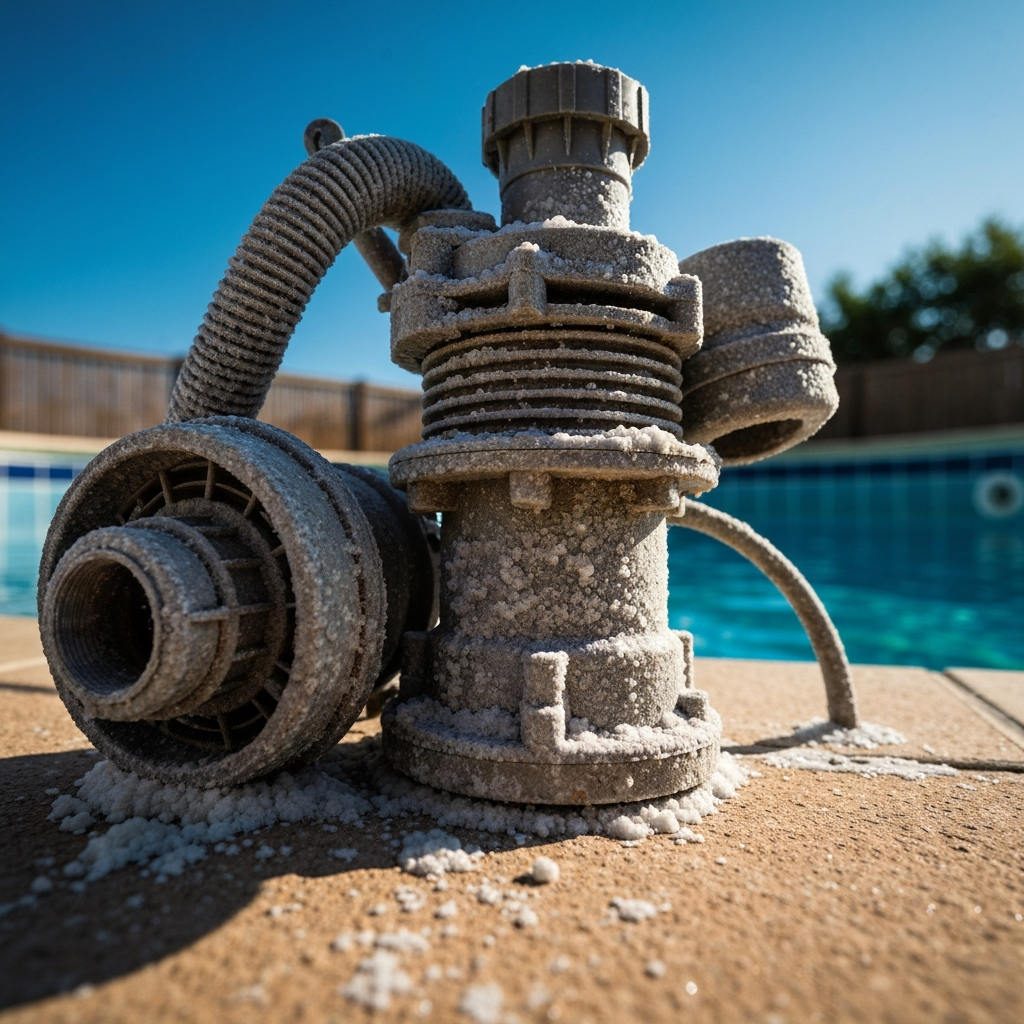
Even with all its benefits, a saltwater pool system is not immune to problems. Understanding common issues can help with troubleshooting and keep your pool running smoothly. One frequent issue is calcium buildup on the salt cell, which can reduce its efficiency and shorten its life. The cell will need to be cleaned regularly to prevent this.
Another potential problem is incorrect salt level readings. If the salt level is too low, the system won’t produce enough chlorine. If it’s too high, it can damage the equipment and cause a “check salt” or “high salt” error on your control board.
Common problems you might face after a pool conversion include:
- Salt Cell Scaling: Calcium deposits build up on the cell’s plates.
- Faulty Sensors: The flow or temperature sensors can fail, shutting down the system.
- Incorrect Salt Levels: Adding too much or too little salt can cause issues.
- Control Board Failures: Like any electronic equipment, the control board can eventually fail and require costly repair or replacement.
Ongoing Maintenance for Saltwater Pools
While a saltwater pool is considered low-maintenance, it’s not no-maintenance. To keep your pool sparkling clean and your salt system running efficiently, a regular pool maintenance schedule is still necessary. This involves more than just letting the generator do its thing.
Saltwater pool owners need to stay on top of water chemistry, periodically clean the salt cell, and perform seasonal tasks. The following sections will outline the key maintenance duties you’ll need to perform to protect your investment and enjoy your saltwater pool for years to come.
Regular Testing and Balancing
Just like with a traditional pool, regular testing of your pool water is essential. You should check your water chemistry at least once a week. Saltwater pools have a tendency for the pH to rise, so you’ll need to monitor it closely and add pH decreaser (like muriatic acid) as needed.
You’ll also need to test for free chlorine to ensure your generator is set correctly. In addition, you should test the salt level every month or so to make sure it’s within the ideal range. You can use simple test strips for daily checks and a more comprehensive kit or a salt test for monthly readings.
Your weekly testing checklist should include:
- Free Chlorine: 1.0–3.0 ppm
- pH: 7.4–7.6
- Total Alkalinity: 80–120 ppm
- Cyanuric Acid: 30–50 ppm
Cleaning and Caring for Saltwater Systems
The most important maintenance task specific to a saltwater system is cleaning the salt cell. Over time, white, flaky calcium deposits can build up on the metal plates inside the cell. This buildup prevents the cell from working efficiently and can lead to low chlorine production.
You should inspect your salt cell every three months. If you see scaling, you’ll need to clean it by soaking it in a mild acid solution. Many pool owners use a mix of muriatic acid and water. Some modern systems have a “self-cleaning” feature that reverses the polarity on the plates to help reduce buildup, but manual cleaning is still recommended.
Caring for your saltwater system includes:
- Inspect the Salt Cell: Check for calcium buildup every 3 months.
- Clean When Needed: Soak the cell in a cleaning solution to remove scale.
- Check the Control Board: Ensure there are no error lights or warnings.
- Inspect Cords and Connections: Look for any signs of wear or corrosion.
Seasonal Considerations in the United States
Your saltwater pool maintenance will change with the seasons. During the peak swim season in the summer, your chlorine generator will need to run longer to keep up with the higher demand from sun and swimmers. You may need to use the “boost” or “super-chlorinate” function after a heavy bather load or a big storm.
In cooler months, when the water temperature drops, your salt cell becomes less efficient. Most salt systems will automatically shut off when the water is too cold (usually below 50-60°F). During this time, you may need to add chlorine manually if you keep your pool open.
For winterizing, follow these steps:
- Balance Water: Ensure all chemical levels are perfect before closing.
- Protect the Cell: In freezing climates, remove the salt cell and store it indoors. You can install a “dummy cell” in its place.
- Lower Water Level: Follow standard winterizing procedures for your region.
- Cover the Pool: Use a quality safety cover to protect your pool during the off-season.
Can You Convert the Pool Yourself or Hire a Professional?
Once you’ve decided on a saltwater pool conversion, the next question is whether to tackle it as a DIY project or hire a professional. For handy pool owners who are comfortable with basic plumbing and electrical work, a DIY installation is definitely possible and can save you money.
However, a professional installation offers peace of mind and ensures the job is done correctly. If you’re not confident in your skills or want to protect your investment, hiring an expert is a wise choice. Let’s look at what’s involved in both options.
DIY Pool Conversion: What to Know
If you’re considering a DIY pool conversion, it’s important to be realistic about your skills. The most challenging part of the saltwater pool conversion is installing the saltwater chlorine generator. This involves cutting into your pool’s PVC plumbing to install the salt cell and potentially doing some wiring to connect the control board.
Before you start, carefully read the manufacturer’s instructions for your specific saltwater system. Make sure you have all the necessary tools and materials, including PVC pipe, primer, and glue. Many pool owners successfully complete a DIY installation over a weekend.
What you need for a successful DIY project:
- Confidence with Tools: You should be comfortable with plumbing and basic electrical work.
- The Right Equipment: Have PVC cutters, glue, and other necessary tools on hand.
- Time: Set aside at least half a day for the installation.
- Attention to Detail: Follow the instructions precisely to avoid leaks or electrical issues.
When to Hire a Pool Professional
For many pool owners, hiring a pool professional for a saltwater pool conversion is the smartest move. If you’re not comfortable with plumbing or electrical work, or if you simply want the job done quickly and correctly, an expert is the way to go. A professional will ensure your chlorine generator is installed properly and all your pool equipment is compatible.
Hiring an expert like a custom pool builder San Diego can also protect your warranties. Some equipment manufacturers may void their warranty if the product is not installed by a licensed professional. A pro can also give you valuable advice on luxury pool design and other backyard pool ideas.
Consider hiring a professional if:
- You are not comfortable with plumbing or electrical work.
- You want to ensure the installation is done correctly and safely.
- Your pool has a complex equipment setup.
- You want the peace of mind that comes with a professional guarantee. For expert pool construction San Diego services, contact Del Rancho Pools at https://delranchopools.com/.
Safety Tips for Saltwater Pool Installation
Safety should always be your top priority during a saltwater pool conversion, whether you do it yourself or hire a pro. The biggest risk involves working with electricity. Always, without exception, turn off the power to all your pool equipment at the main circuit breaker before you begin any installation work.
When installing the salt cell, make sure all your PVC connections are clean and properly glued to prevent leaks. A leak in your equipment pad can damage your pump and other components. Also, be sure to install the chlorine generator according to the manufacturer’s specifications to ensure proper flow and function.
Key safety tips for pool owners:
- Shut Off the Power: This is the most important step before starting any work.
- Work in a Dry Area: Ensure the equipment pad is dry before working with electrical components.
- Follow Instructions: Read and follow the manual for your saltwater system carefully.
- Check for Leaks: After installation, run the system and thoroughly check all new connections for leaks.
Conclusion
Converting your chlorine pool to a saltwater system can offer numerous benefits, but it’s essential to weigh the pros and cons. With gentler water that’s kinder to your skin and eyes, lower maintenance requirements, and potential cost savings over time, many find the transition worthwhile. However, be mindful of the upfront costs and possible equipment wear that may arise. As you consider this change, remember to evaluate your pool’s compatibility and your ability to handle ongoing maintenance. If you’re ready to dive into this transformation or have any questions, get in touch! Your ideal pool experience awaits.
Frequently Asked Questions
How much does it cost to convert a chlorine pool to saltwater?
A saltwater pool conversion typically costs between $1,500 and $2,500. This includes the price of the saltwater chlorine generator, which is the main piece of pool equipment, and the initial supply of pool salt. The exact cost will depend on your pool’s size and the quality of the system you choose.
Will saltwater damage my pool surfaces or equipment?
Saltwater can cause corrosion on metal pool equipment like ladders and some heaters if they are not designed for a saltwater pool. It can also be harsh on certain pool surfaces like unsealed stone or plaster if the water chemistry and salt level are not properly maintained by saltwater pool owners.
Does my existing filter and pump work with saltwater systems?
Most standard pool filters and pumps can work with saltwater systems. However, it’s crucial to verify compatibility, as some equipment may require modifications or replacements to handle the corrosive effects of saltwater. Always consult with a professional for personalized advice.
What maintenance is needed after conversion?
After converting to a saltwater pool, regular maintenance includes checking the salt levels, balancing pH and alkalinity, inspecting the generator for proper function, and cleaning filters. Additionally, monitoring for any buildup of calcium scales will ensure optimal performance and longevity of your system.