

Key Highlights
Building a new custom pool is an exciting journey, and understanding the budget is the first step. Here are the key takeaways on what to expect for your pool installation in 2026:
- The average
total costfor a newinground poolis around $66,000, with most projects falling between $44,300 and $86,500. - Custom pool blueprints typically cost between $1,000 and $3,000, depending on the complexity of the design, your location, and the expertise of the designer. These fees are generally a separate upfront cost before construction begins.
- Your final price is shaped by the pool’s size, materials like concrete or fiberglass, and your unique
pool design. - Labor accounts for a significant portion, typically 25% to 50% of the total budget.
- Extra features such as decking, lighting, and waterfalls will add to the overall cost.
- Permits, excavation, and site preparation are mandatory costs to factor into your estimate.
Introduction
Dreaming of a beautiful swimming pool in your backyard? A custom pool can transform your home into a personal oasis for relaxation and fun. However, turning that dream into a reality involves understanding the investment. The cost of an inground pool can vary widely based on your vision. At Del Rancho Pools, we believe in transparency. This guide breaks down the real costs of building a custom pool in 2026, helping you plan your project with confidence.
What Goes Into the Cost of a Custom Pool in 2026?

What factors influence the final price of a custom pool? The number on a cost estimate is a sum of many different parts. It’s not just the pool shell itself but also the materials, labor, and site-specific needs that shape the budget. Your choices in design and features play a huge role in the final tally.
From initial excavation to the last tile laid, every step of the pool installation process has an associated cost. Understanding these components helps you see where your money is going and allows for better budget management. In Southern California, the price range for custom pools typically starts around $60,000 and can exceed $150,000 or more depending on factors such as size, materials, design complexity, and additional features. In the following sections, we will explore each of these factors in detail.
Major Components That Impact Custom Pool Pricing
When you start planning your custom pool, several key components will directly influence the pricing. Thinking about these elements early on can help you create a realistic budget and avoid surprises down the line. Can you break down the typical expenses involved in building a custom pool? Absolutely.
The primary cost drivers are often grouped into a few main categories. These are the big-ticket items that form the foundation of your pool project’s cost. Consider the following:
If you’re trying to estimate your total budget, there are online calculators and estimators available that can help you figure out custom pool costs based on the major components and details of your project. Using these tools can give you a helpful ballpark before you start speaking with contractors.
Pool Typeand Size: The material you choose (concrete, fiberglass, or vinyl) and the overall square footage of the pool are the most significant factors.- Site Preparation: This includes excavation, grading the land, and ensuring proper access for construction equipment.
Additional Features: Customizations like waterfalls, spas, lighting, and decking will increase the total price.
Remember that your initial choices also affect long-term maintenance costs. For example, a concrete pool may have higher upkeep expenses over its lifetime compared to a fiberglass one. Balancing the upfront investment with future costs is key to making a smart decision.
Custom Pool Trends and Features for 2026
The pool design you choose for your custom pool can dramatically elevate your backyard experience, but these trendy features also influence the final price. In 2026, homeowners are looking for more than just a place to swim; they want a personalized retreat with luxurious and convenient touches.
What factors influence the final price of a custom pool beyond the basic shell? Modern pool design often incorporates unique elements that add both beauty and function. Some of the most popular additions include:
- Baja Shelves and Tanning
Ledges: These large, shallow areas are perfect for lounging in the water and add a resort-like feel. - Custom
Water Features: Think elegant waterfalls, fountains, or deck jets that create soothing sounds and visual appeal. - Advanced
Automation: Control your pool’s heating, lighting, and filtration systems directly from your smartphone for ultimate convenience.
Incorporating these elements allows you to create a truly one-of-a-kind space. While they increase the initial investment, they also add significant value and enjoyment to your home. Discussing these backyard pool ideas with your builder will help you balance style with your budget.
Seasonal and Regional Influences on Costs
Did you know that where you live and when you build can affect your custom pool pricing? It’s true. Regional differences in the cost of living, labor rates, and local demand all play a role in determining your final pool installation costs. For example, building a pool in a major city or a state in the Northeast often costs more than in a rural area.
Are there regional differences in custom pool pricing? Yes, markets vary significantly. In areas with warmer climates and a high demand for pools, like Southern California, you might find more competitive pricing due to the larger number of contractors. A custom pool builder San Diego will have different overhead costs than one in a smaller town, which is reflected in their quotes.
Timing can also be a factor. Most homeowners plan their pool projects in the spring to be ready for summer. Because of this high demand, you might find that builders are busier and material costs are higher. Scheduling your pool installation during the off-season, like in the fall, could potentially lead to some savings.
Custom Pool Materials: Options and Price Ranges
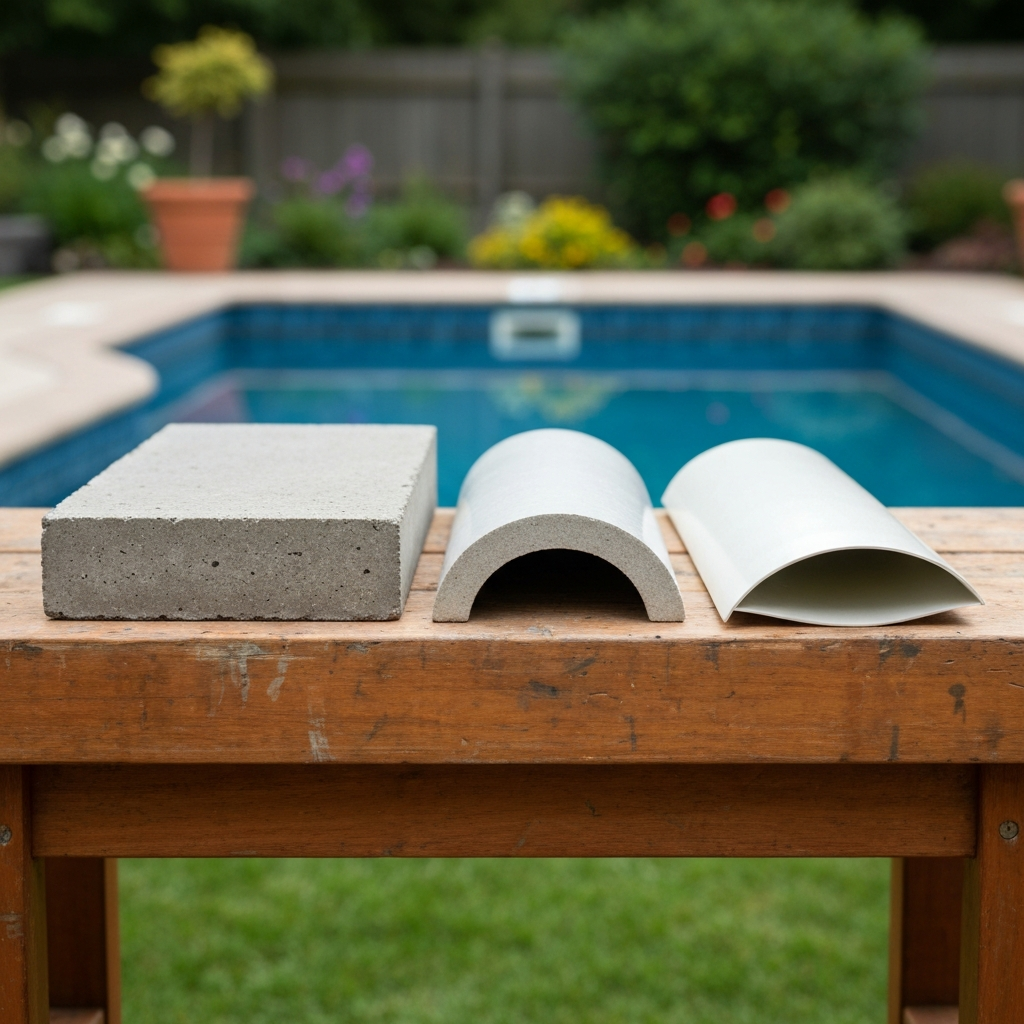
Choosing the right material is one of the biggest decisions you’ll make for your custom pool. The main pool materials—concrete, fiberglass, and vinyl—each come with a different price range and set of benefits. This choice will have a major impact on your initial pool installation costs and long-term maintenance.
For instance, what is the price difference between a fiberglass and a concrete custom pool? Concrete generally sits at the higher end of the cost spectrum but offers limitless design freedom, while fiberglass is often more moderate in price. Let’s look closer at each option to help you decide what’s best for your backyard and budget.
Concrete Pools: Durability and Cost Factors
If ultimate customization and durability are your top priorities, a custom concrete pool is an excellent choice. Concrete pools, also known as gunite or shotcrete pools, are built on-site, allowing for any shape, size, or depth you can imagine. This flexibility lets you create truly unique shapes, from river pools to designs with built-in islands and ledges.
This level of customization comes with higher pricing. Concrete is the most expensive material for both installation and long-term maintenance. The porous surface requires more chemicals and regular cleaning to prevent algae. Plus, a concrete pool will need to be replastered every 3 to 5 years. However, its longevity is unmatched, as a well-maintained concrete pool can last 50 years or more.
The cost of a concrete pool varies by size. Here’s a look at the typical pricing for installation.
| Dimensions | Cost Range for Concrete Pool |
|---|---|
| 10’x20’ | $40,000–$70,000 |
| 12’x24’ | $58,000–$100,000 |
| 15’x30’ | $90,000–$158,000 |
Fiberglass Pools: Installation and Cost Breakdown
Fiberglass pools offer a fantastic middle ground between cost and convenience. This pool type arrives at your home as a single, prefabricated shell that is lowered into the excavated hole by a crane. This streamlined process often results in lower installation costs and a much faster construction timeline compared to concrete pools.
The smooth, non-porous surface of a fiberglass shell is a major advantage. It naturally resists algae growth, which means you’ll spend less time and money on chemicals and cleaning. While you can’t customize the shape as freely as with concrete, manufacturers offer a wide variety of modern designs and sizes to fit most backyards.
So, how much does it typically cost to build a custom inground pool using fiberglass? The final price for a fiberglass pool installation typically ranges from $175 to $330 per square foot. For a standard 12-foot by 24-foot pool, you can expect installation costs between $50,000 and $95,000, making it a durable and attractive option for many homeowners.
Vinyl Pools: Budget Considerations
For homeowners focused on a lower upfront investment, vinyl pools are often the most affordable option. These pools are constructed with wall panels and a custom-fitted vinyl liner that contains the water. The initial installation cost is typically the lowest among the three main inground pool types. What is the average cost to build a custom pool with a vinyl liner? A 12-foot by 24-foot pool can cost between $38,000 and $70,000 to install.
The vinyl material is smooth to the touch and also inhibits algae growth, making weekly maintenance relatively simple. Vinyl liner pools also offer good design flexibility, as the supporting walls can be configured into many different shapes and sizes, from classic rectangles to freeform curves.
The main drawback to consider is the liner itself. While durable, the vinyl liner will need to be replaced every 7 to 8 years on average, which is an ongoing expense. This long-term replacement cost is an important factor to weigh against the lower initial price when planning your budget.
Labor and Construction Expenses for Custom Pools
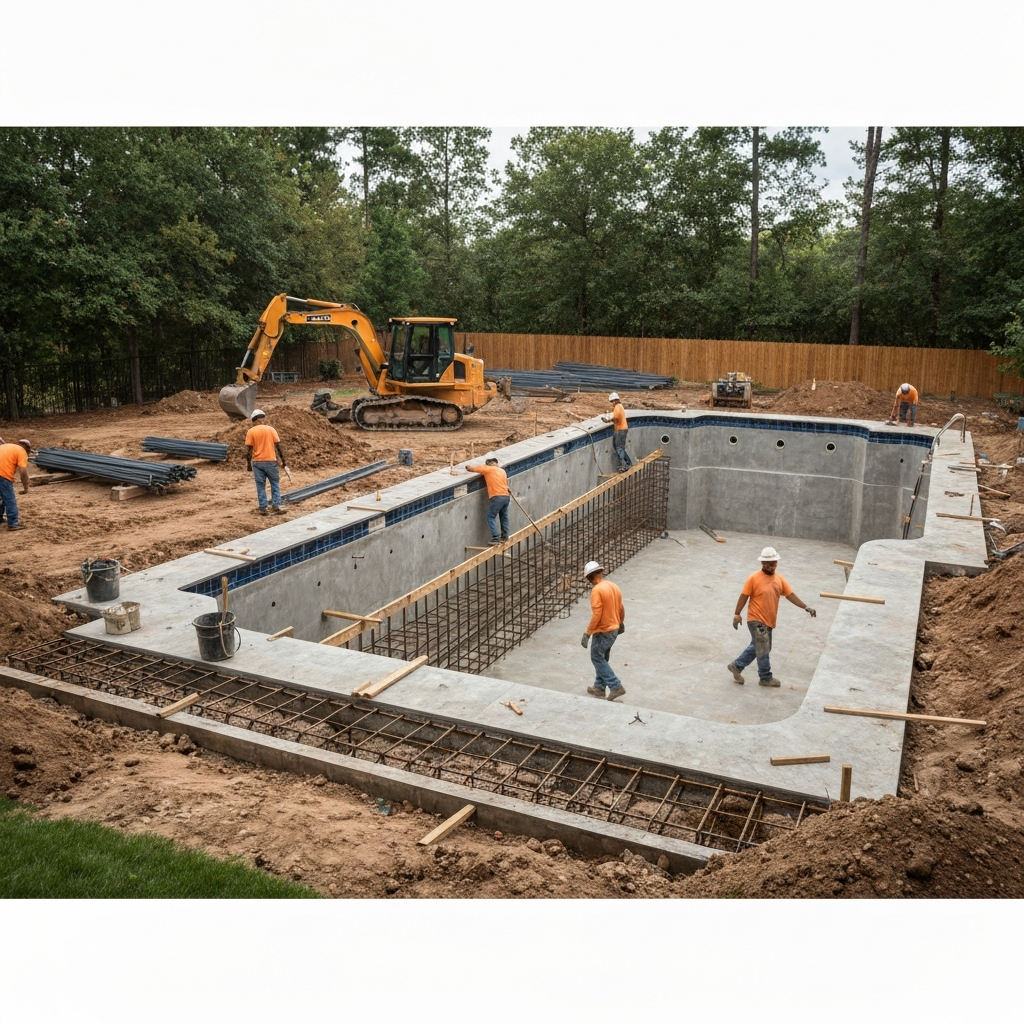
When you receive a quote for a custom pool, the material is just one part of the equation. Labor costs associated with the pool installation make up a very large portion of the total budget—often between 25% and 50%. This covers the skilled teams who excavate your yard, assemble the structure, and run all the necessary plumbing.
Can you break down the typical expenses involved in building a custom pool? Beyond the primary labor, there are additional costs related to the construction phase, such as project management and securing specialized trades. The next sections will explain what goes into contractor charges and how skilled work impacts your project’s price.
Pool Contractor Charges Explained
Understanding contractor charges helps clarify where a large part of your budget goes. When you hire a professional pool builder, you’re not just paying for physical work. You’re investing in their expertise, project management, insurance, and the peace of mind that comes with a professionally handled job. These labor costs ensure your project runs smoothly from start to finish.
A contractor coordinates everything, from ordering materials to scheduling subcontractors for electrical and plumbing work. This management is crucial for keeping the project on time and on budget. For most pool owners, trying to manage this process themselves would be overwhelming and could lead to costly mistakes. The contractor’s fee covers this entire coordination effort.
Ultimately, these charges, which make up a significant slice of the total pool installation costs, protect your investment. Working with an experienced and reputable custom pool builder San Diego ensures that every detail is handled correctly, providing a high-quality result that you can enjoy for years.
How Skilled Labor Impacts Project Pricing
Not all labor costs are the same. Building a custom pool requires skilled labor from various trades, and the complexity of your design directly affects these expenses. What factors influence the final price of a custom pool? The need for specialized expertise is a big one. Basic pool installation costs cover the standard build, but custom features require professionals with specific training.
For example, intricate tile work, installing advanced automation systems, or building a spa with therapeutic jets all require specialists. Electricians are needed to safely wire pool lights and pumps, while plumbers ensure all water features and filtration systems function correctly. The more complex your amenities, the more skilled labor hours are needed.
This is especially true for a luxury pool design. Features like an infinity edge or a built-in hot tub are not standard installations. They demand a higher level of craftsmanship and precision, which naturally increases the project’s overall pricing. When you budget for your pool, remember to account for the experts needed to bring your unique vision to life.
Timeline Considerations and Scheduling Costs
The construction timeline for your pool installation is another factor that can influence your budget. How much does it typically cost to build a custom inground pool? While we’ve discussed material and labor costs, the duration of the project itself can introduce variables. A typical inground pool project can take anywhere from two to three months from start to finish.
This timeline is generally broken down into several distinct phases, each with its own scheduling challenges. A smooth process depends on efficient coordination between these stages.
- Permits and Design: This initial phase can take two to six weeks, depending on your local municipality.
- Excavation and Framing: Digging the hole and setting up the pool’s structure usually takes about a week.
- Construction: Building the shell,
plumbing, and electrical work can take another one to two months.
Any delays in this timeline, whether from bad weather, inspection hold-ups, or changes to the design, can add to the cost estimate. Your contractor will manage the scheduling to minimize these risks, but it’s wise to build a small cushion into your budget for unexpected extensions.
Permits, Regulations, and Site Preparation
Before the first scoop of dirt is moved, there’s a critical phase of planning and preparation. Getting the proper permits and adhering to local regulations is a non-negotiable part of any pool installation. This process ensures your new pool is safe and built to code. Alongside the paperwork, your site must be prepared through excavation and grading.
These upfront steps are essential for a successful build and are factored into your total cost. How much do custom pool blueprints usually cost? Blueprints are a key part of the permit application process, and their cost is typically rolled into the overall design and planning fees from your builder. Let’s dig into these pre-construction expenses.
Local Permit Fees and Approval Processes
Every pool installation project must start with obtaining the correct building permits. Permit fees can vary significantly between different cities and municipalities, typically ranging from $450 to $1,800. This fee is paid to your local government to review your plans and ensure they comply with safety and building codes.
The approval process can also vary in length. Some areas may approve plans in a couple of weeks, while others might take over a month. This process involves submitting detailed plans, often called blueprints, for your pool. How much do custom pool blueprints usually cost? Generally, the cost of creating these detailed drawings is part of your pool builder’s initial design fee rather than a separate line item.
Navigating the approval process can be complex, with specific requirements for fencing, setbacks from property lines, and electrical work. A professional pool construction San Diego company will be familiar with these local rules and can manage the entire submission for you, ensuring a smoother and faster start to your project.
Excavation, Land Grading, and Site Access Charges
Can you break down the typical expenses involved in building a custom pool? Excavation is one of the first and most significant construction costs. This is the process of digging the hole for your pool, which costs an average of $3,400 but can be much higher if your yard presents challenges like large rocks or difficult soil.
Beyond just digging, your land may need to be prepared through land grading. This involves leveling a sloped yard or building retaining walls to create a stable, flat area for the pool installation. Proper grading is essential for the structural support of the pool and surrounding decking.
Another factor is site access. If your backyard is hard to reach with heavy machinery, your contractor may need to use smaller equipment, which takes longer, or even a crane to lift materials over your house. Limited access can increase labor hours and overall project costs, so it’s an important consideration during the initial site assessment.
Zoning, Inspection, and Compliance Costs
Zoning laws and building codes are in place to ensure your pool is safe for you and your neighbors. These regulations dictate things like how far your pool must be from property lines and your home. Before construction begins, your builder must ensure the plan is in full compliance with all local zoning ordinances.
Throughout the building process, your project will undergo at least one official inspection. A city inspector will visit the site to verify that work, such as electrical wiring or plumbing, has been done correctly and according to the approved plans. These inspections are mandatory and are a standard part of the process.
While the costs for standard inspections are usually included in the permit fees, any issues found can lead to additional costs. If an inspection reveals something that isn’t up to code, your contractor will need to fix it and schedule a re-inspection, which can cause delays and add to the final bill.
Additional Custom Pool Features That Influence Price
What factors influence the final price of a custom pool? Once the basic structure is in place, it’s the added features that truly personalize your pool design. Elements like expansive pool decking, soothing water features, and integrated lighting transform a simple pool into a complete outdoor living space.
These upgrades are where you can express your personal style, but they are also significant variables in your total budget. From a simple patio to a fully equipped outdoor kitchen, every choice you make will contribute to the final cost. Let’s explore some of the most popular enhancements that can elevate your backyard oasis.
Pool Decking, Landscaping, and Outdoor Living Spaces
Your pool decking is more than just a path around the water; it’s the foundation of your outdoor living space. The material you choose for your deck has a major impact on both the look and the cost of your project. Decking costs can range widely, from $5,000 to over $20,000, depending on the size and materials used.
There are many backyard pool ideas to consider when designing your poolside area. Each offers a different aesthetic and price point.
- Concrete
Pavers: A popular and durable choice,paverscome in various shapes and colors to match any style. - Natural Stone: Materials like travertine or flagstone offer a high-end, elegant look but come with a premium price tag.
- Wood Decking: A classic option that provides a warm, natural feel, perfect for creating a relaxing lounge area.
Don’t forget the surrounding landscaping, which can cost between $3,000 and $5,000 to complete the look. Integrating these amenities with your pool creates a cohesive and inviting environment for entertaining and relaxing.
Water Features, Lighting, and Tech Upgrades
Modern tech upgrades and stunning visual elements are what set a luxury pool design apart. Soothing water features not only add a beautiful aesthetic but also create a relaxing atmosphere with the sound of moving water. These can range from simple deck jets to dramatic waterfalls.
Adding pool lights is another popular upgrade that extends your pool’s usability into the evening. LED lighting is energy-efficient and can be programmed with different colors to set the perfect mood. Here are a few popular upgrades that influence pool design and cost:
Water Features: A simple waterfall or fountain can add $450 to $1,900 to your budget.- LED
Pool Lights: Professional installation for in-pool lighting typically costs between $450 and $1,200. AutomationSystems: For ultimate convenience, systems that control lighting,heaters, and pumps from your phone are a populartechchoice.
These features, along with other additions like heaters or automatic covers, contribute to a more enjoyable and functional pool. Discussing these options with your builder will help you decide which upgrades are the right fit for your lifestyle and budget.
Conclusion
Understanding the cost of a custom pool in 2026 is essential for anyone considering this investment. From selecting materials to navigating labor expenses and permits, each component plays a crucial role in determining the overall price. By being aware of the trends, features, and regional influences that impact costs, you can effectively manage your budget and make informed decisions. Remember, investing in a quality pool is not just about the initial expenses; it’s also about enhancing your outdoor living experience for years to come. If you have any questions or need assistance with your custom pool project, don’t hesitate to get in touch!
Frequently Asked Questions
What is the average cost of building a custom pool in 2026?
The average cost for a custom pool installation in 2026 is around $66,000. However, the pricing can vary significantly, with most homeowners spending between $44,300 and $86,500. Your project’s final price will depend on factors like size, materials, and added features.
Are there regional differences in custom pool pricing across the United States?
Yes, there are significant regional differences in custom pool pricing. Pool installation costs are often higher in urban areas and colder climates due to higher labor rates and a shorter building season. Competitive markets with many builders, like in Florida or Southern California, may have different price structures.
What is the price difference between a fiberglass and a concrete custom pool?
Generally, concrete pools are more expensive to install, costing $200–$350 per square foot. Fiberglass pools have a lower price range for installation, typically $175–$330 per square foot. While concrete offers more design freedom, fiberglass often has a lower final price and less long-term maintenance.