
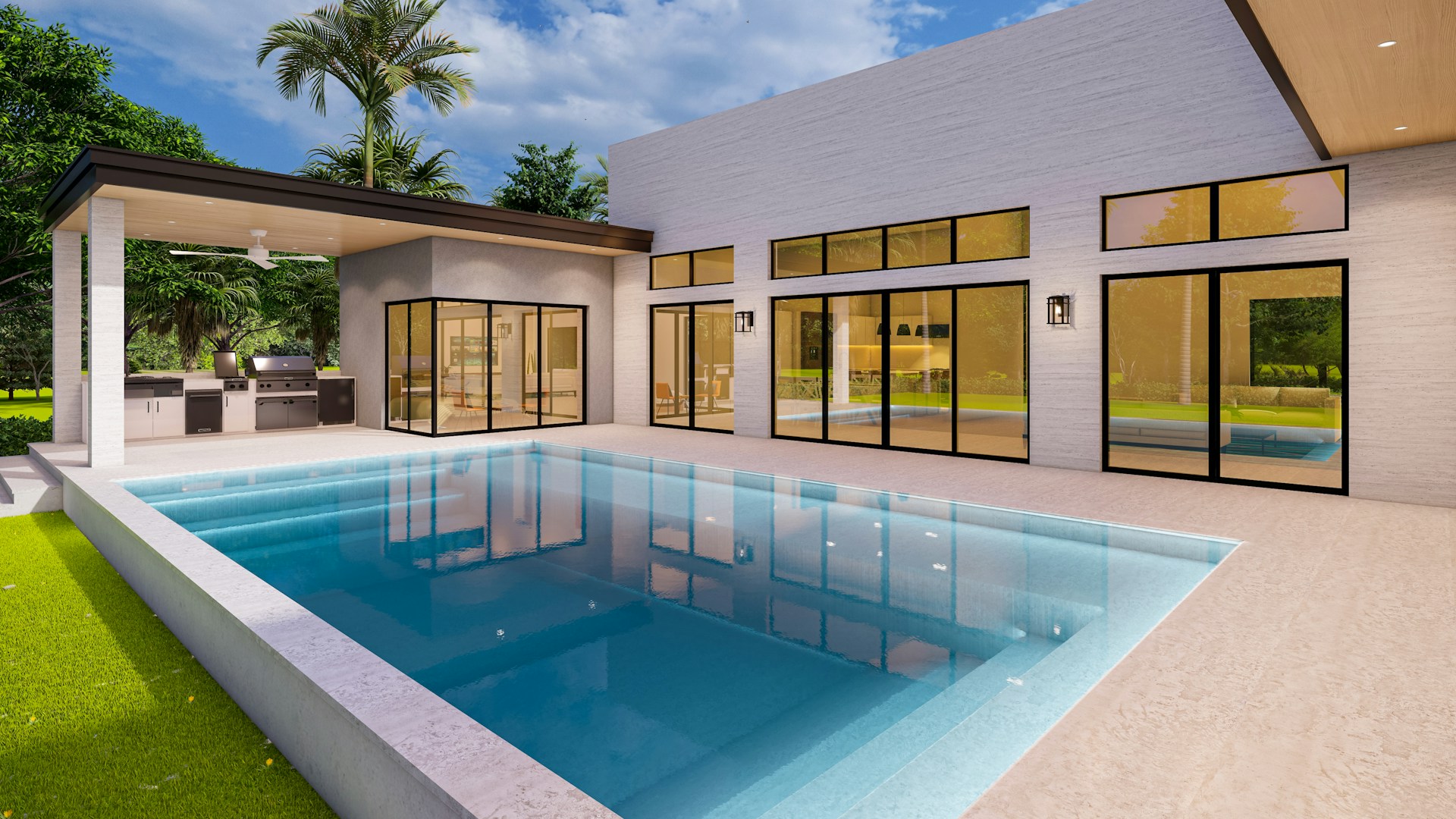
Key Takeaways: Smarter Pool Resurfacing Decisions
- San Diego pools work hard all year, so resurfacing keeps them safe, smooth, and good-looking under strong sun, salt air, and long swim seasons.
- Plaster, pebble, quartz, tile, and hybrid finishes all offer different lifespans, textures, and looks, from classic white to upscale designer styles.
- Spring is a smart time to plan pool resurfacing in San Diego so your backyard is ready before late spring and summer gatherings.
- A local pool specialist can help you match finish type, color, and texture to your backyard style and budget, so you love how your water looks and feels.
Resurfacing a pool in San Diego is not just about looks. The right surface helps your pool last longer, feel better on bare feet, and stay easier to care for. With our sunny, coastal climate and almost year-round swimming, the finish you choose has to work harder here than in many other places.
We are going to walk through why resurfacing matters, how to read the signs that your pool is ready, and what options make sense for different backyards. By the end, you will feel more confident about which finishes might fit your style, how timing works, and what to expect from the process.
Why Resurfacing Matters for San Diego Pools
San Diego pools face a lot of daily stress. Strong sun can fade color and dry out older surfaces. Coastal salt air and temperature swings between warm days and cooler nights put pressure on plaster and grout. Santa Ana winds can blow in dirt and debris that are rough on older finishes.
Waiting too long to resurface can lead to:
- Rough, sharp areas that scrape toes and feet
- Stains that make the pool look dirty even when clean
- Dark spots that can hide algae and make chemistry harder
- Extra chemical use as the surface gets more porous
There is also the curb appeal factor. In neighborhoods across North County, like Encinitas, Carlsbad, and Rancho Santa Fe, a tired pool can drag down the feel of the whole backyard. A fresh, well-chosen finish can make the water look brighter, tie in with your hardscape, and support resale value when it is time to move.
Understanding Your Pool Shell and Existing Surface
Most inground backyard pools in our area are concrete or gunite shells with some type of interior finish on top. What you already have will shape what comes next. Common starting points include:
- Standard white plaster
- Older pebble finishes
- Painted concrete surfaces
- Fiberglass or other coatings on gunite
Each one needs a different prep approach, and some may need removal before a new finish goes on.
You might see signs that the surface is failing, such as:
- Discoloration that will not brush away
- Pitting or tiny holes you can feel with your hand
- Cracks or chips along steps and benches
- Peeling or flaking areas where layers separate
- Persistent roughness that catches skin or swimsuits
A professional inspection before any resurfacing project is very important. It gives a chance to spot issues with the pool structure, plumbing lines, fittings, or coping. Fixing those first helps your new surface last longer and keeps surprises to a minimum.
Comparing Popular Resurfacing Options in San Diego
Standard plaster is the classic pool surface. It has a smooth feel and a clean, bright look. In our climate, a well-cared-for plaster finish can offer years of service, especially if water chemistry stays balanced. Colored plaster can give a soft blue or gray tone, but color may show wear sooner than standard white.
Pebble and mini-pebble finishes mix small stones with cement for a textured surface. Pebble is known for:
- Long lifespan compared to standard plaster
- A more natural, lagoon-style look
- Slip-resistant texture on slopes and entries
- Wide color variety, from sandy to deep blue tones
Mini-pebble uses smaller stones for a smoother feel while keeping the same general benefits. These finishes usually cost more than plaster, but many homeowners like the durability trade-off.
Quartz, tile, and glass bead options sit in the upgrade category. Quartz blends crystals into plaster so you get more sparkle and better stain resistance. Full tile interiors or tile bands combined with other finishes offer a very polished, custom look and can hold up well in coastal conditions when installed and cared for correctly. Glass beads can add shimmer and depth to the water color, especially in sunlit San Diego backyards.
Matching Finish Choices to Your Lifestyle and Budget
The way you use your pool should guide your finish. Think about questions like:
- Do kids and pets use the pool often?
- Do you host big gatherings or keep it low-key?
- Is this a rental or your long-term home?
- Do you want light, bright water or a darker, lagoon feel?
For example, families that are in and out of the pool all day may prefer a smoother-feeling surface and lighter color that shows dirt and algae sooner, which actually helps catch problems early. Those who want a quiet retreat might love a darker pebble with a tropical look.
When it comes to budget, it helps to think beyond the first resurfacing bill. Some finishes have a higher upfront cost but can spread that cost over more years of use and lower repair needs. Others may be kinder to your wallet now, with the understanding that you will likely resurface sooner.
Style also matters. Some quick pairing ideas:
- Modern yards: darker pebble or smooth quartz with clean tile lines
- Mediterranean: soft blue plaster, natural stone coping, classic waterline tile
- Tropical: multi-color pebble, deeper water tones, boulder accents
- Rustic: earth-toned pebble and natural-looking textures
Timing, Process, and Caring for Your New Surface
Spring is one of the best times for pool resurfacing in San Diego. Days are getting longer, and you can plan so the work wraps up before late spring and summer pool parties. Weather is usually friendly for curing new finishes, and you avoid scrambling at the last minute when everyone wants work done.
A typical resurfacing project follows steps like:
- Draining the pool safely
- Removing or prepping the old surface
- Making needed repairs to the shell, tile, and fittings
- Applying the new finish by hand or spray, depending on type
- Allowing proper cure time
- Refilling and doing a careful start-up with chemicals
During the process, a good pool company will protect nearby landscaping as much as possible, manage dust and debris, and keep you informed about access needs and timing.
To keep your new surface looking great for years, focus on:
- Regular brushing, especially the first weeks
- Keeping pH, alkalinity, and calcium in balance
- Controlling scale in hard-water areas
- Having pro-level weekly service if you prefer not to manage chemistry
Avoid common mistakes like shocking the pool too aggressively right after resurfacing, skipping brushing, or ignoring small cracks or chips. Catching small issues early can prevent larger repairs later.
FAQ: Pool Resurfacing in San Diego Backyards
Q1: How often do I really need to resurface my pool in San Diego?
A: The timing depends on the finish type, water care, and sun exposure. Standard plaster generally needs resurfacing sooner than pebble or tile surfaces. Pebble, quartz, and tile often last longer when chemistry is kept in range and the pool is brushed and cleaned regularly. Shaded pools may show less fading, while full-sun pools can show age faster.
Q2: How long does pool resurfacing take from start to finish?
A: A straightforward resurfacing with no major repairs is often completed over several days plus start-up time before swimming. If your project includes extra work like tile or coping updates, structural repairs, or equipment changes, it can take longer. Your pool pro can give a more accurate estimate after seeing your pool in person.
Q3: What is the price range for pool resurfacing in San Diego?
A: Costs vary by finish type, pool size, shape, access, and how much repair work is needed before the new surface goes on. Plaster, pebble, quartz, tile, and glass bead each sit in different price tiers. A site visit lets a professional measure your pool, check for hidden issues, and talk through options that fit your budget.
Q4: Can I change my pool color and texture during resurfacing?
A: Yes. Resurfacing is the perfect time to shift from white to blue, from smooth to textured, or from basic to more custom looks. You can also talk about refinishing steps and benches, adding or updating tile bands, and choosing finish colors that change the way the water looks in your yard.
Q5: How do I know which resurfacing material is best for my pool?
A: Start with a few key questions: how you use the pool, how much time you want to spend on care, what look you love, and what budget range feels comfortable. A local pool specialist like DelRancho Pools can walk your yard with you, explain how each finish behaves in our coastal climate, and help you compare samples right where the pool sits.
Get Started With Your Project Today
If your pool is showing its age, we are ready to help you restore it with expert pool resurfacing in San Diego. At DelRancho Pools, we listen to your goals, evaluate your pool, and recommend options that match your style and budget. Reach out today so we can schedule a visit and provide a clear, detailed plan to renew your backyard.