
Key Highlights
- Avoid planting trees with invasive roots that can damage your pool’s structure and plumbing.
- Steer clear of plants that shed excessively to reduce pool cleaning and maintenance.
- Ensure your pool area has proper drainage to protect the pool deck and foundation.
- Choosing the wrong materials for your pool deck can lead to safety hazards and costly repairs.
- Poor pool landscaping can cause long-term damage, a common issue for homeowners.
- Ignoring safety regulations is one of the most critical pool design mistakes to avoid.
Introduction
Your swimming pool is the heart of your outdoor space, a place for relaxation and fun. The landscaping around it plays a huge role in both the beauty and functionality of your pool area. A well-thought-out pool design that includes smart landscaping choices can turn your backyard into a true oasis. However, some common mistakes can lead to damage and headaches down the road. Are you ready to learn how to create a stunning and sustainable poolside environment?
Common Pool Landscaping Mistakes That Cause Damage Over Time
Creating the perfect pool area involves more than just the pool itself; the surrounding landscaping is just as important. Some of the most common pool design mistakes are related to poor plant choices, improper drainage, and unsuitable materials. These errors can cause significant damage over time, turning your dream oasis into a constant maintenance project.
Working with an experienced pool builder and design team from the start is the best way to avoid these pitfalls. They can help you see the big picture and plan a cohesive space that is both beautiful and built to last. Let’s look at the specific mistakes you need to avoid.
1. Planting Trees or Shrubs with Invasive Roots Near the Pool
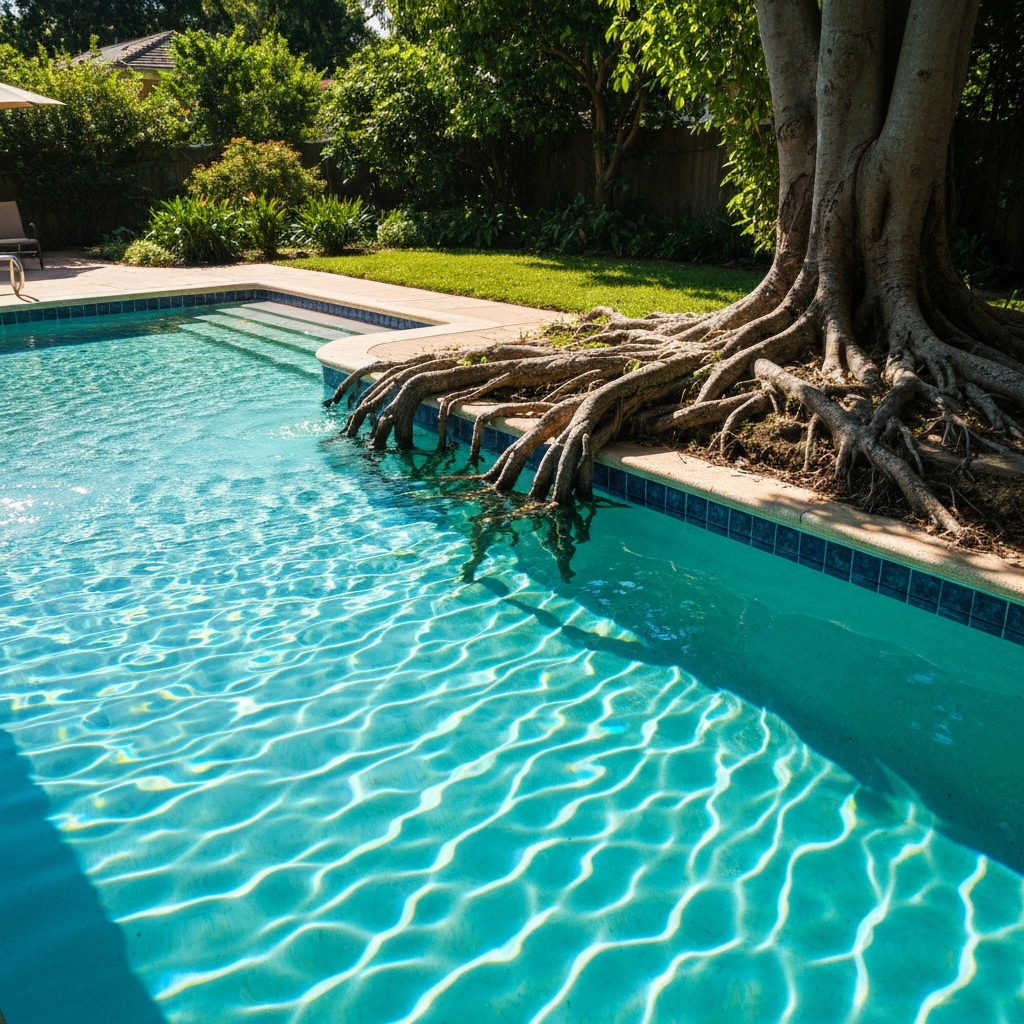
Planting trees and shrubs near your swimming pool can provide wonderful shade and privacy. However, choosing plants with aggressive, invasive root systems is a major error. These roots seek out moisture and can grow powerful enough to crack your pool’s shell, damage underground plumbing, and lift or break your pool deck. This can lead to expensive and complex repairs.
The damage caused by invasive root systems isn’t always visible right away. It can happen slowly over years, silently compromising the structural integrity of your pool area. The roots can also disrupt the chemical balance of your pool water if they penetrate the structure.
To avoid this, steer clear of plants known for destructive roots. Some examples to be cautious with include:
- Large, fast-growing trees that seek water aggressively.
- Shrubs with dense, spreading root systems.
- Any plant that is known to cause issues with foundations or sidewalks.
2. Using Unsuitable Plants That Shed Excessively
While lush vegetation can enhance your outdoor living space, choosing the wrong plants can create a huge mess. Plants that constantly shed leaves, flowers, needles, or berries will fill your pool with debris. This not only looks untidy but also forces you to spend lots of time skimming the water and cleaning filters.
Excessive debris can clog your pool’s filtration system, straining the pump and leading to poor water circulation. This makes your pool maintenance routine much more demanding and can shorten the lifespan of your equipment. Choosing the right plants from the start is key to keeping your pool area clean and enjoyable.
Consider avoiding these types of plants to minimize cleanup:
- Deciduous trees that drop all their leaves in the fall.
- Flowering trees or shrubs that produce a lot of messy blossoms.
- Pine trees that shed needles and sticky sap.
3. Ignoring Proper Drainage Around the Pool Area
Water is great in your swimming pool, but not so much when it’s pooling on your deck or in your yard. Ignoring proper drainage is a critical mistake that can lead to a host of problems for your outdoor space. Without a way for rainwater and splash-out to drain away from the pool, you risk serious damage to your property.
Poor drainage can cause the soil around your pool to become saturated and unstable. This can lead to shifting or settling of the pool shell, causing cracks and leaks. It can also erode the ground beneath your deck, creating uneven surfaces and safety hazards. Proper drainage is a fundamental part of pool maintenance and structural longevity.
Some consequences of improper drainage include:
- Damage to the pool’s structure from shifting soil.
- Erosion of the landscape surrounding the pool.
- Slippery, unsafe conditions on the pool deck.
4. Choosing the Wrong Materials for Pool Decks and Patios
The material you choose for your pool deck and patio is more than just an aesthetic choice; it’s a matter of safety and durability. Selecting the wrong materials is a major pool design mistake. Some surfaces get dangerously hot under the sun, burning bare feet, while others become extremely slippery when wet, creating a serious fall risk for swimmers.
You need a material that can withstand constant exposure to water, sun, and pool chemicals without cracking, fading, or deteriorating. Investing in high-quality, appropriate materials like pavers or natural stone from the start saves you from costly repairs and ensures the safety of your pool area. When planning your luxury pool design, consider functionality as much as appearance.
Here’s a quick comparison of common material properties:
| Material Type | Slip Resistance | Heat Retention |
|---|---|---|
| Pavers | Good to Excellent | Low to Medium |
| Natural Stone | Varies by Type | Varies by Color |
| Sealed Concrete | Poor to Fair | Medium to High |
5. Installing Hardscaping Without Considering Water Runoff
Hardscaping elements like pathways, retaining walls, and patios are essential for creating a functional pool area. However, if they aren’t designed with water runoff in mind, they can cause big problems. Impermeable surfaces can channel rainwater directly toward your pool, washing dirt and debris into it, or worse, toward your home’s foundation.
A successful pool project accounts for how water will flow across the entire space. Your hardscaping should be slightly sloped to direct water away from both the pool and your house into designated drainage areas. This prevents erosion, protects your pool’s water quality, and safeguards your home’s structure.
When planning hardscaping, be sure to:
- Design walkways and patios with a slight grade away from the pool.
- Incorporate permeable materials or drainage channels where needed.
- Consult a landscape architect to ensure proper water management.
6. Neglecting Shade and Privacy Planning
A pool with no shade can be uncomfortable and even unusable during the hottest parts of the day. Similarly, a pool area that feels exposed to neighbors can limit your sense of relaxation and enjoyment. Forgetting to plan for shade and privacy can significantly detract from the experience of your outdoor living space.
Thoughtful planning can solve both issues. You can create comfortable, shaded spots for lounging and ensure your pool area feels like a private retreat. This enhances the usability of the space, allowing you to spend more time outside comfortably. Maximizing your enjoyment should be a key goal of any backyard pool design.
Here are a few ideas for adding shade and privacy:
- Install a pergola, umbrella, or sail shade for immediate relief from the sun.
- Plant non-invasive trees or tall shrubs to create natural privacy screens.
- Build a stylish fence or privacy wall that complements your home’s architecture.
7. Placing Decorative Features Too Close to the Pool
Decorative features like fountains, rock gardens, and planters can add personality to your pool area. However, placing them too close to the water’s edge is a common mistake. Features with loose materials like mulch or small stones can easily end up in the pool, clogging filters and creating a mess.
Water features like waterfalls and fountains can also affect your pool’s chemistry. The constant aeration can cause pH levels to rise, requiring more frequent chemical adjustments. While these features are beautiful, their placement requires careful thought to avoid creating extra pool maintenance tasks.
When adding decorative elements, remember to:
- Keep planters with loose soil or mulch a safe distance from the pool edge.
- Ensure rock features are secure and won’t shed small stones into the water.
- Discuss the impact of waterfalls or fountains on your pool’s chemistry with your pool builder.
8. Overlooking Local Regulations and Safety Codes
Safety should always be the top priority in any pool project. Every city and state has specific building codes and local safety regulations for swimming pools. Overlooking these rules is a serious mistake that can lead to legal trouble, fines, and an unsafe environment for your family and guests.
These regulations often dictate requirements for fencing, gates, alarms, and other safety measures. For example, the Consumer Product Safety Commission provides guidelines many local codes are based on. Failing to comply could mean you have to redo parts of your landscaping or hardscaping, adding unexpected costs and delays to your project.
Essential safety features often mandated by local codes include:
- A secure fence of a specific height with a self-latching gate.
- Non-slip surfaces on the pool deck and walkways.
- Proper lighting for nighttime visibility and safety.
How Poor Pool Landscaping Choices Affect Long-Term Maintenance
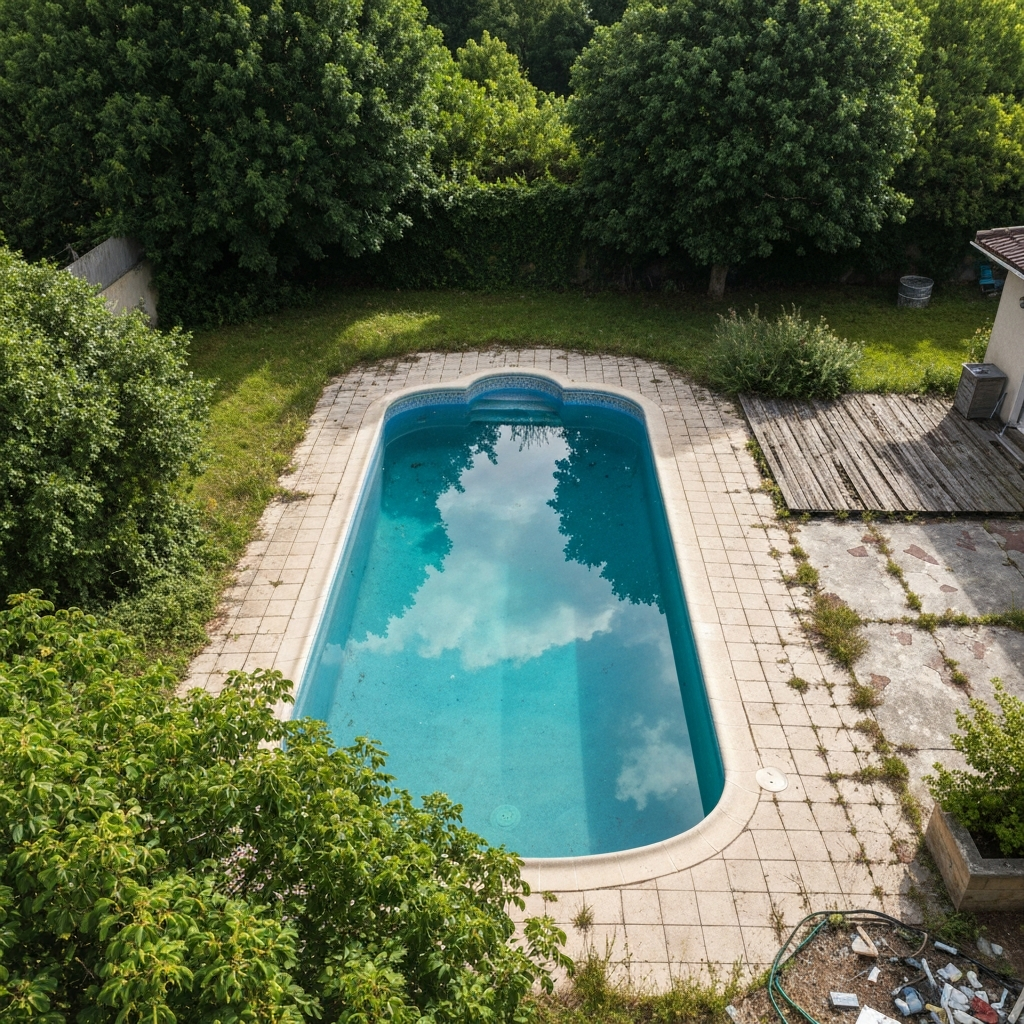
The landscaping choices you make during your initial pool design have a lasting impact on your outdoor space. Poor decisions don’t just look bad; they create a ripple effect that complicates pool maintenance for years to come. What seems like a small oversight at first can lead to more work and higher costs.
From extra cleaning to structural repairs, the consequences of bad landscaping can turn your relaxing swimming pool into a source of stress. Understanding these long-term effects will help you appreciate the importance of careful planning.
Increased Pool Cleaning and Chemical Use
When your pool area is surrounded by messy vegetation, your pool cleaning schedule becomes much more demanding. Leaves, petals, and twigs constantly fall into the water, requiring daily skimming. This debris not only looks unsightly but also sinks to the bottom, where it can stain your pool’s surface and needs to be vacuumed out.
All this organic matter also affects your water chemistry. As the vegetation decomposes, it consumes chlorine and can throw your pool’s pH and alkalinity levels out of balance. This means you’ll have to use more chemicals to keep the water sanitary and safe for swimmers, increasing your ongoing pool maintenance costs.
Ultimately, the wrong plants turn pool care into a chore. By choosing low-mess plants from the beginning, you can significantly reduce the time and money spent on keeping your pool clean and your water balanced, leaving more time for actual swimming and relaxation.
Damage to Pool Structure and Surrounding Areas
Some landscaping mistakes cause more than just a mess—they can physically damage your swimming pool and the surrounding outdoor space. As mentioned earlier, the invasive roots from poorly chosen trees are a primary culprit. They can grow into plumbing lines, causing leaks, and exert enough pressure to crack the concrete or fiberglass shell of the pool structure itself.
Improper drainage is another major threat. When water can’t flow away from the pool, it saturates the ground. This can cause the soil to expand or wash away, leading to an unstable foundation for your pool deck and even the swimming pool. Over time, this can cause the deck to crack, heave, or sink.
These structural issues are often the most expensive to fix. Protecting your investment means thinking about what’s happening underground and how water moves through your pool area, not just what looks good on the surface.
Higher Repair Costs Due to Landscaping Errors
Every landscaping mistake ultimately translates into higher costs down the line. What might seem like a way to save money initially—like using cheaper deck materials or skipping a drainage plan—almost always leads to significant repair costs later. Fixing a cracked pool deck, repairing a leaking pipe, or rebalancing water chemistry week after week adds up.
These aren’t just one-time fixes. Ongoing pool maintenance caused by poor landscaping, such as constantly replacing clogged filters or buying extra chemicals, becomes a permanent drain on your budget. The time you spend dealing with these issues is also a cost.
Thoughtful landscaping is an investment in the longevity and enjoyment of your pool area. By avoiding these common errors, you prevent future headaches and protect your wallet from unexpected and expensive repairs, ensuring your outdoor space remains a source of joy, not a financial burden.
Conclusion
In conclusion, understanding the common pool landscaping mistakes is crucial for protecting your investment and ensuring a beautiful outdoor space. From invasive tree roots to improper drainage, these errors can lead to costly repairs and increased maintenance efforts down the line. By being mindful of the plants you choose, the materials you use, and the overall design of your pool area, you can create a stunning landscape that complements your pool without compromising its integrity. Don’t hesitate to reach out if you have questions or need guidance on how to avoid these pitfalls. Get in touch today to ensure your pool area remains a serene oasis for years to come!
Frequently Asked Questions
Which plants should be avoided for poolside landscaping and why?
For poolside landscaping, avoid plants with invasive root systems that can damage the pool structure and plumbing. You should also steer clear of shrubs and trees that shed excessive leaves, flowers, or fruit, as this vegetation creates a mess and makes pool maintenance much more difficult.
What are the biggest safety risks caused by poor pool landscaping?
The biggest safety risks include slippery deck surfaces from wrong materials or poor drainage, which can cause falls. Another major risk is failing to install proper fencing and self-latching gates that comply with local safety regulations, which can lead to accidental access to the pool area by children.
How can improper drainage create issues around my pool?
Improper drainage allows water to pool around the pool area, which can erode the soil beneath the pool deck, causing it to crack or shift. This can also lead to structural damage to the pool itself and create slippery, unsafe conditions, increasing your overall maintenance burden.