
Key Highlights
- Your pool finish is a key decision that impacts durability, maintenance, and your pool’s overall look.
- The main types of pool finishes include classic plaster, durable aggregate, and long-lasting tile.
- On average, plaster is the most budget-friendly option, aggregate finishes fall in the mid-range, and tile is the most expensive choice for pool finish. Cost differences can be significant: plaster typically costs less, aggregate finishes are moderately priced, and tile can be several times more expensive due to materials and labor.
- The main types of pool finishes include classic plaster, durable aggregate, and long-lasting tile.
- Plaster pool finishes offer a traditional look but have the shortest lifespan and require more maintenance.
- Aggregate finishes, like quartz and pebble, provide enhanced durability and unique textures for the pool surface.
- Tile pool finishes are the most durable and offer endless customization, lasting for decades with proper care.
- The choice of finish directly influences the water color and the amount of upkeep your pool will need.
Introduction
Choosing the right pool finish for your swimming pool is one of the most exciting parts of the design process. This decision goes beyond just color; it defines the texture, durability, and maintenance needs of your pool for years to come. The pool surface you select is the finishing touch that brings your backyard oasis to life. With several types of pool finishes available, from traditional plaster to modern aggregates, understanding your options is the first step toward creating the pool of your dreams.
Popular Pool Finish Types for Residential Pools
When it comes to your pool surface, you have more choices than ever before. Gone are the days when white plaster was the only option. Today, the main types of pool finishes for residential pools include plaster, aggregate, and tile, each offering a unique combination of aesthetics, feel, and longevity.
Your selection will determine the character of your pool, from a classic, smooth feel to a natural, textured appearance. Understanding the differences between plaster finishes, aggregate finish options like quartz and pebble, and elegant tile pool finishes will help you make an informed decision for your home. Let’s explore the distinct features of each.
Plaster Pool Finishes: Classic Choice and Main Features
Plaster pool finishes are the traditional go-to, known for creating that timeless, classic look. This type of pool finish is a simple mixture of white cement and white marble aggregate, troweled smoothly over the pool shell. While standard white plaster is most common, you can also add dyes to the pool plaster to achieve custom colors for your water.
Although it’s often the most budget-friendly option upfront, traditional plaster is also the least durable of the main types of pool finishes. It typically requires resurfacing every 7 to 10 years and is more susceptible to staining and chemical imbalances. When selecting a pool finish, you should weigh this lower initial cost against the higher long-term maintenance.
For those who love the smooth feel of plaster but want better durability, premium plaster options are available. These are denser than standard plaster, offering improved resilience and a longer lifespan, making them a solid middle ground.
Tile Pool Finishes: Styles, Longevity, and Customization
For the ultimate in style and longevity, tile pool finishes are in a class of their own. Made from porcelain, ceramic, or glass, tile offers unmatched durability and virtually limitless design possibilities. You can create intricate mosaics or a sleek, modern look that transforms your pool into a work of art. These new-generation finishes provide incredible aesthetics and can last for over 30 years.
A major advantage of a tile pool surface is its non-porous nature. This makes it highly resistant to stains and algae growth, simplifying your maintenance routine. While the upfront investment is the highest, the exceptional durability means you may never need to resurface your pool again.
The only long-term maintenance typically required is occasional grout repair. If you are planning a luxury pool design, the beauty and performance of a tile pool finish are hard to beat, offering a premium look that stands the test of time.
Aggregate Pool Finishes: Pebble, Quartz, and Glass Bead Options
Aggregate finishes are a popular choice that blends traditional plaster with materials like pebbles, quartz, or glass beads for a more durable and visually interesting surface. This aggregate finish is more resistant to chemicals and staining than plaster alone. These finishes offer a great balance of performance and beauty for any pool.
Quartz aggregate finishes, for example, mix crushed quartz crystals into the plaster. The result is a stronger, more durable surface with a subtle sparkle. Pebble finishes use small, polished river pebbles to create a textured, natural feel that is incredibly durable and slip-resistant. For extra flair, you can add other elements to your finish.
Some popular additions to an aggregate finish include:
- Glass Bead Pool Finishes: These add a brilliant sparkle and a smooth, luxurious feel to the pool surface. The main characteristic of glass bead finishes is their ability to catch and reflect sunlight, creating a dazzling, shimmering effect in the water.
- Ocean Shells: Crushed shells can be mixed in to add an iridescent, natural beauty to the finish.
Comparing Durability and Performance of Pool Finishes
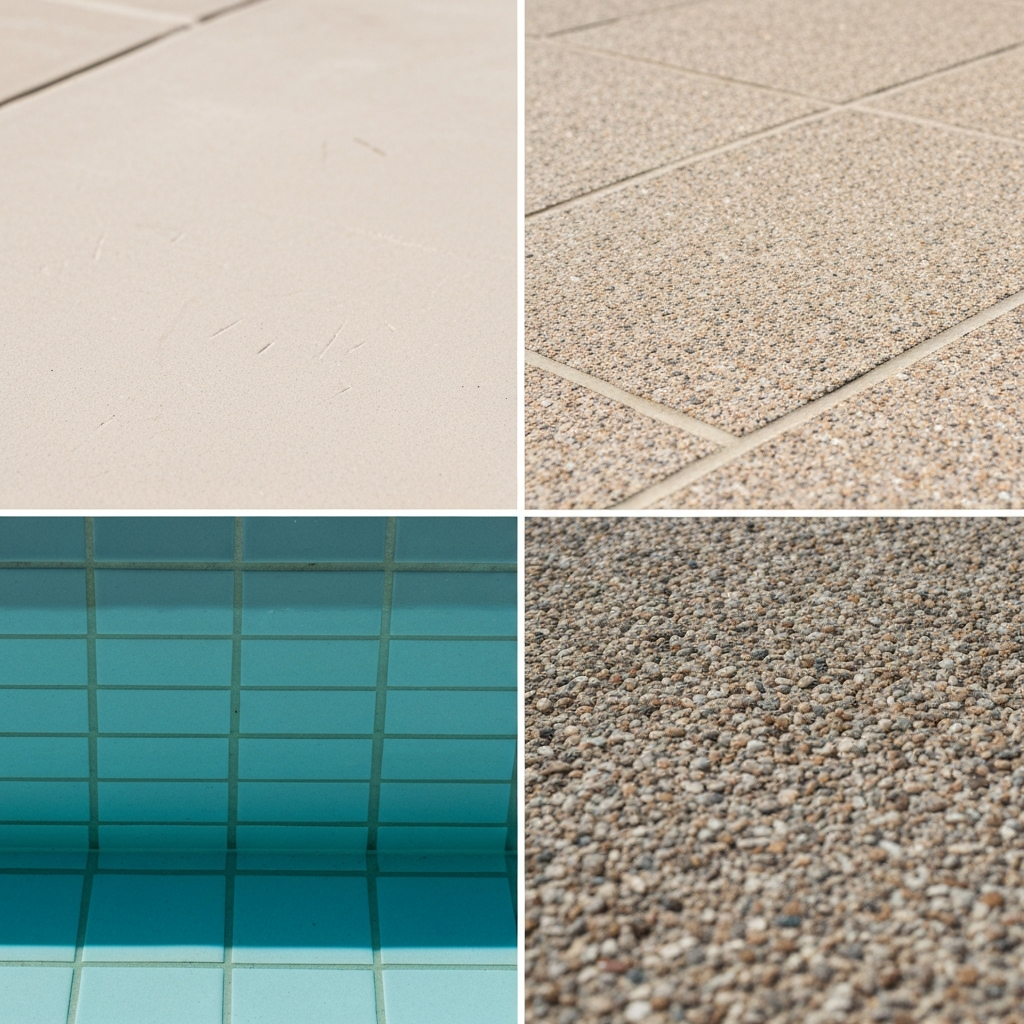
When you’re investing in a new pool or considering pool remodeling San Diego, durability is a top concern. The longevity of your pool finish directly impacts long-term costs and enjoyment. Each type of pool surface—plaster finishes, tile pool finishes, and aggregate finish options—offers a different level of performance against sun, chemicals, and daily use.
Understanding how these materials hold up over time can save you from unexpected repairs down the road. Some finishes last a single decade, while others can last for generations. Let’s compare how each finish performs and what kind of maintenance you can expect.
How Plaster, Tile, and Aggregate Finishes Stand Up Over Time
The durability of your pool finish varies significantly between plaster, tile, and aggregate options. Plaster pool finishes have the shortest lifespan, typically lasting 7-10 years before showing signs of wear like roughness or chalkiness. It’s the most susceptible to chemical etching and staining over time.
In contrast, aggregate finishes like quartz and pebble offer a major step up in durability. A quartz aggregate finish can last 10-15 years, while a high-quality pebble finish can last 20 years or more. Topping the list for longevity are tile pool finishes, which can exceed 30 years with proper installation and care. The initial investment in tile pays off with decades of reliable performance.
| Finish Type | Expected Lifespan | Texture |
|---|---|---|
| Standard Plaster | 7-10 Years | Very Smooth |
| Quartz Aggregate | 10-15 Years | Smooth to Medium |
| Pebble Aggregate | 20-30 Years | Textured |
| Polished Aggregate | 15-20 Years | Silky Smooth |
| Tile | 30+ Years | Smooth with Grout Lines |
Maintenance Requirements and Cleaning Ease by Pool Finish Type
The type of pool finish you choose will directly influence your cleaning and maintenance routine. Some surfaces require more attention than others to keep them looking pristine. For homeowners who want a low-maintenance backyard, this is a critical factor to consider.
Tile is easily the most low-maintenance pool surface. Its non-porous nature makes it highly resistant to algae and stains, meaning less scrubbing and fewer chemicals. Aggregate finishes, especially pebble, are also quite easy to care for as their texture helps hide minor debris and they are very resistant to staining. Plaster, being the most porous, requires the most diligent maintenance, including frequent brushing and careful water chemistry management to prevent stains and algae growth.
A trusted custom pool builder San Diego can guide you on the best practices, but a few general tips apply to all finishes:
- Brush your pool walls and steps weekly to remove biofilm.
- Maintain balanced water chemistry to protect the pool surface.
- Use a sequestrant to prevent metal stains after adding fresh water.
Conclusion
Choosing the right pool finish is essential for balancing aesthetics, durability, and maintenance. Each finish—plaster, tile, or aggregate—offers unique benefits that cater to different preferences and lifestyles. While plaster provides a classic look, tile offers endless design possibilities, and aggregate delivers a robust surface with texture. Ultimately, your choice should reflect both your style and the level of upkeep you’re prepared to commit to. Remember, this decision impacts your pool’s longevity and your overall enjoyment. If you need personalized advice on which pool finish is best for your situation, don’t hesitate to get in touch!
Frequently Asked Questions
Which pool finish is most cost-effective for long-term use?
While plaster pool finishes have the lowest initial cost, tile and pebble aggregate finishes are often more cost-effective long-term. Their superior durability and longevity mean you won’t need to pay for frequent, costly resurfacing, saving you money over the life of your pool.
What pool finishes work best for saltwater pools?
For saltwater pools, durability is key. Tile pool finishes are nearly impervious to salt. High-density options like quartz pool finishes and pebble aggregate also stand up very well to salt systems, resisting the etching and wear that can sometimes affect softer plaster surfaces over time.
How does pool finish color affect water appearance?
The color of your pool finish is the primary factor determining your pool’s water color. Darker finishes create a deep, lagoon-like appearance, while light finishes produce a bright, tropical blue. Added dyes, colored aggregates, and even surrounding sunlight will also influence the final look of your water.