

Key Highlights
- Discover various eco-friendly pool water treatment options for your swimming pool.
- Learn how systems like saltwater, mineral, UV, and ozone improve water quality.
- Understand the benefits of natural filtration for a chemical-free swimming experience.
- Compare popular methods to find the best fit for your pool maintenance routine.
- Get tips on choosing and maintaining your eco-friendly pool water system.
- Keep your pool water safe and sparkling while minimizing your environmental impact.
Introduction
A sparkling clean swimming pool is the centerpiece of any backyard retreat, offering a perfect spot for fun and relaxation. But keeping that water pristine requires proper care. Effective pool water treatment is essential for ensuring the water is clear, safe, and healthy for everyone to enjoy. This guide explores modern, eco-friendly water treatment methods that go beyond traditional chemicals, helping you create a refreshing oasis you can feel good about. Let’s find the perfect solution for your pool.
Eco-friendly Pool Water Treatment Options for a Healthier Swim
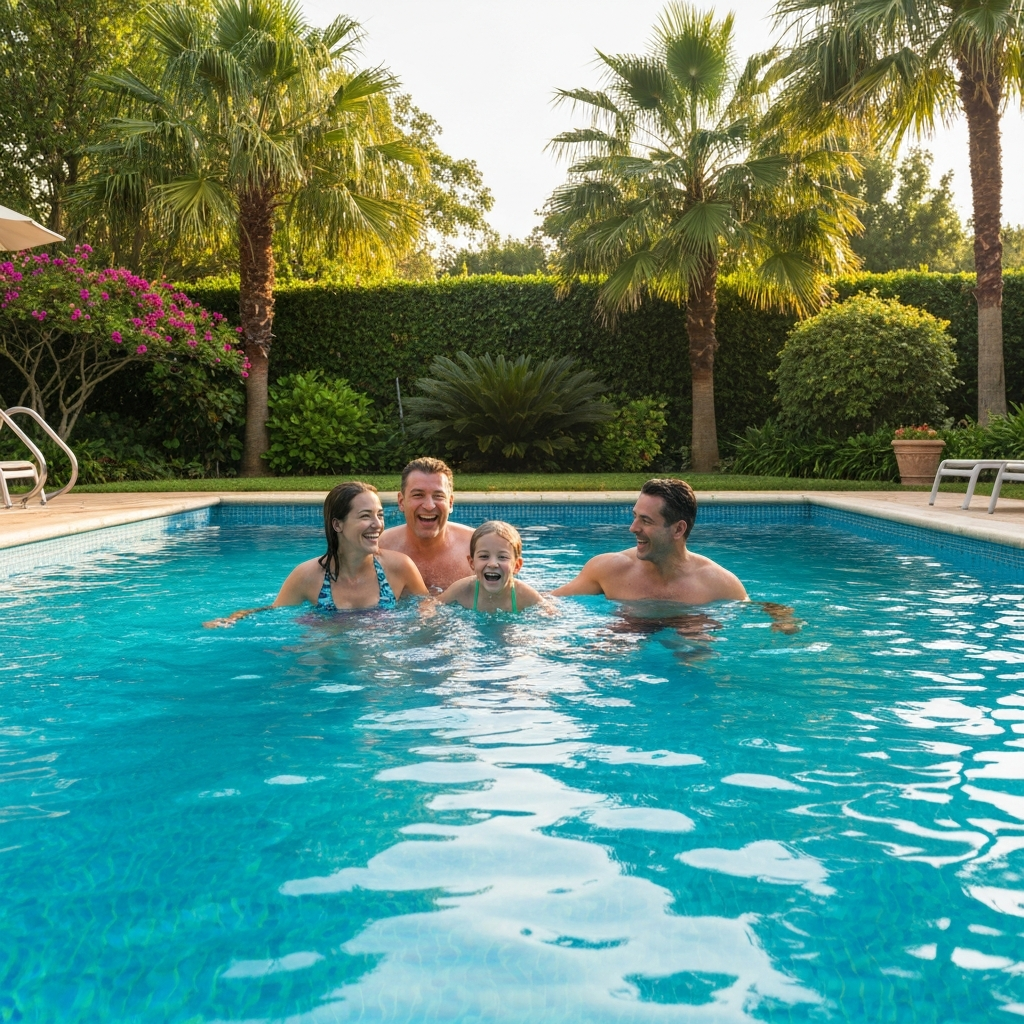
Moving away from harsh pool chemicals is becoming a popular choice for many pool owners. Eco-friendly pool water treatment methods offer a gentler, more sustainable way to maintain excellent water quality. These systems reduce your reliance on traditional chlorine, leading to a more pleasant swimming experience with less skin and eye irritation.
Are you curious about the alternatives? From saltwater systems to UV sanitizers, there are several innovative options available. Each method provides unique benefits for your pool maintenance routine, helping you keep your water clean and safe with a smaller environmental footprint. Let’s explore some of the best choices for a healthier swim.
1. Saltwater Chlorination Systems
Saltwater chlorination is a fantastic alternative to traditional chlorine treatments. Instead of manually adding chlorine, these systems use a generator to convert a small amount of sodium chloride (salt) in the pool water into chlorine. This process provides a steady, controlled release of sanitizer, keeping chlorine levels consistent.
Many swimmers prefer saltwater pools because the water feels softer and silkier. It’s also much gentler on the skin and eyes, reducing the irritation often associated with traditionally chlorinated pools. You’ll notice less of that strong chlorine smell, creating a more natural swimming experience.
While the initial setup cost for a saltwater system is higher, it often leads to lower long-term chemical costs and less frequent maintenance. It’s important to monitor your water chemistry and ensure your pool surfaces and equipment are compatible, as the salt water can be corrosive to some materials if not properly managed.
2. Mineral-Based Pool Water Treatment
Mineral-based pool water treatment systems use natural minerals to sanitize your pool, significantly reducing the need for chlorine and other chemicals. These systems typically use a combination of minerals, such as copper and silver ions, which are released into the water to combat algae and bacteria. This creates healthier, cleaner water with less effort.
Pool ionizers are a key component of many mineral-based systems. They use a low-voltage current to release copper and silver ions into the water, providing an effective layer of sanitation. This helps improve water clarity and provides a more enjoyable swimming environment without the harsh effects of high chemical levels.
The benefits of a mineral-based system include:
- Softer, gentler water that is kind to skin and eyes.
- Reduced need for chlorine, which lowers chemical odors.
- Simple pool maintenance once the system is installed.
3. Ultraviolet (UV) Pool Sanitizers
Ultraviolet (UV) pool sanitizers offer a powerful, chemical-free way to purify your pool water. As water circulates through your pool’s plumbing, it passes through a chamber where it is exposed to a special UV lamp. This high-intensity ultraviolet light destroys bacteria, viruses, algae, and other harmful microorganisms by disrupting their DNA.
One of the biggest advantages of UV systems is their ability to drastically reduce the amount of chlorine needed to keep your pool clean—by up to 80% in some cases. This leads to better water quality with fewer chemical byproducts, like chloramines, which are responsible for that “chlorine” smell and eye irritation.
While UV systems are highly effective at sanitizing, they don’t provide a residual effect, meaning they only clean the water that passes through the unit. Because of this, they are typically used with a small amount of a secondary sanitizer, like chlorine, to handle any contaminants that enter the pool. Proper pool maintenance, including occasional lamp replacement, keeps the system running efficiently.
4. Ozone Pool Water Treatment
Ozone pool water treatment is another innovative method that provides exceptional water quality. Ozone systems use ozone generators to create ozone gas (O3), a powerful oxidizer, which is then injected into the pool water. This ozone instantly neutralizes bacteria, viruses, and other organic contaminants on contact.
Using an ozone system can significantly improve water clarity, making your pool look crystal clear. Because ozone is so effective, it dramatically reduces the need for traditional pool chemicals like chlorine. This results in a more natural swimming experience, free from harsh chemical odors and irritation. It’s a great choice for those looking for advanced water treatment methods.
Similar to UV systems, ozone doesn’t leave a lasting residual sanitizer in the water. Therefore, ozone systems are typically paired with a low level of chlorine or bromine to ensure the entire body of water remains sanitized. Despite the higher initial cost, many find the superior water quality and reduced chemical use to be a worthwhile investment.
5. Natural Pool Filtration (Bio Pools)
For the ultimate eco-friendly swimming experience, a natural pool, or bio pool, is an amazing option. These pools rely entirely on a biological filtration system to keep the water clean, completely eliminating the need for chemicals. A natural pool is divided into a swimming area and a regeneration zone filled with specific aquatic plants.
The plants and beneficial microorganisms in the regeneration zone act as a living filter. They naturally absorb and break down organic matter and other contaminants, purifying the water as it circulates between the two zones. This process mimics the way lakes and ponds clean themselves, resulting in pure, healthy water.
Key features of a natural pool include:
- A completely chemical-free swimming environment.
- A beautiful, natural aesthetic that blends with your landscape.
- Low long-term maintenance costs without the need to buy chemicals.
6. Ionization Pool Systems
Ionization pool systems offer an effective sanitation method that minimizes chlorine use. These systems, often called pool ionizers, use a safe, low-voltage electrical current to release mineral ions, specifically copper and silver ions, into the water as it passes through the filtration system.
The copper ions are highly effective at preventing algae growth, while the silver ions work to kill bacteria and viruses. Together, these mineral ions provide a stable and long-lasting form of sanitation that keeps your pool water clean and clear. This process is odorless and creates water that feels soft and gentle.
While ionization provides excellent background sanitation, it may not be able to handle a sudden increase in contaminants from a large group of swimmers. For this reason, it’s often used with a very low level of chlorine to ensure complete and effective sanitation. This combination reduces overall chemical exposure while keeping your pool safe and making pool maintenance easier.
Comparing Popular Eco-friendly Pool Water Treatment Methods
With so many eco-friendly pool water treatment options, how do you decide which is best? Comparing the features of each system can help you make an informed choice. Factors like initial cost, ongoing maintenance, and the type of swimming experience you prefer all play a role.
Whether you’re comparing saltwater systems to traditional chlorine or weighing the pros and cons of mineral-based and ozone systems, understanding the differences is key. Let’s look closer at how these popular methods stack up to help you find the ideal solution for your pool’s water chemistry.
Chlorine vs. Saltwater: Which Is Greener?
When comparing traditional chlorine to a salt water pool, it’s important to understand that saltwater systems still use chlorine—they just produce it differently. A saltwater system creates its own chlorine from salt, eliminating the need to buy, store, and handle chlorine products. This reduces the environmental impact associated with the production and transportation of chlorine.
Traditional chlorine pools require you to manually add sanitizer, which can lead to fluctuations in chlorine levels and pH levels. Saltwater systems provide more consistent sanitation, which results in softer-feeling water and less eye and skin irritation. The overall chlorine usage is often lower and more stable in a saltwater pool.
From an eco-friendly perspective, saltwater systems are generally considered greener due to the reduced need for manufactured chemicals. However, they do require more energy to run the generator. Here’s a quick comparison:
| Feature | Traditional Chlorine Pool | Saltwater Pool |
|---|---|---|
| Sanitizer Source | Manually added chlorine tablets, liquid, or granules. | Chlorine is generated on-site from salt in the water. |
| Water Feel | Can be harsh on skin and eyes. | Softer, silkier water that is gentler on the body. |
| Maintenance | Requires frequent testing and addition of chemicals. | Less frequent chemical additions, but cell requires cleaning. |
| Environmental Impact | Higher impact from chemical manufacturing and transport. | Lower impact from chemicals, but higher energy use. |
Mineral-Based vs. Ozone Systems: Pros and Cons
Choosing between mineral-based and ozone water treatment systems depends on your priorities as a pool owner. Both significantly reduce the need for chlorine and improve water quality, but they work in very different ways.
Ozone generators are extremely powerful, using ozone gas to oxidize and destroy a wide range of contaminants instantly. This leads to exceptionally clear water. Mineral-based systems work more slowly, releasing copper and silver ions that provide steady, long-lasting sanitation against algae and bacteria.
Here are some pros and cons to consider:
- Pros: Highly effective and fast-acting oxidizer, superior water clarity.
- Cons: Higher initial cost, requires a secondary sanitizer as it has no residual effect.
Ozone Systems:
- Pros: Lower initial cost than ozone, provides a lasting sanitizing effect.
- Cons: Slower to act, may need occasional shocking to handle heavy bather loads.
Mineral-Based Systems:
Choosing the Best Eco-friendly Pool Water Treatment for Your Needs
Selecting the right eco-friendly pool water treatment for your swimming pool is a personal decision. The best choice depends on your budget, how much maintenance you’re willing to do, and the kind of swimming experience you want. Balancing these factors will help you achieve excellent water quality.
To make the best decision for your backyard, it’s helpful to consider specific factors related to your pool and how you use it. From your pool’s size to your local climate, several elements can influence which system will perform best and keep your water chemistry balanced.
Factors to Consider for Residential and Commercial Pools
The ideal water treatment system can vary between residential and commercial pools due to differences in usage and size. A large commercial pool with a high bather load will need a more powerful and responsive sanitizing system than a small residential pool. Thinking about these backyard pool ideas can help you plan.
Climate also plays a role. In areas with higher temperatures, sanitizers can break down more quickly, and algae growth is more common. A system like ozone or UV can provide the extra power needed to keep the water clean in warm weather. You might consult a custom pool builder San Diego for expert advice on what works best in your area.
Consider these factors when making your choice:
- Pool Size and Bather Load: Larger pools and those with heavy use need more robust sanitation.
- Budget: Initial installation costs and long-term operating expenses vary significantly.
- Maintenance Commitment: Some systems are more hands-off than others.
Maintenance Tips for Eco-friendly Pool Systems
Even low-maintenance, eco-friendly pool systems require some regular care to function properly. Consistent pool maintenance ensures your equipment lasts longer and your water chemistry remains balanced. No matter which system you choose, regular water testing is a must.
For saltwater systems, this includes checking salt levels and inspecting the generator cell for mineral buildup. For UV systems, the UV lamp will need to be replaced periodically. With any system, it’s important to keep an eye on the overall water chemistry, including pH and alkalinity, using reliable test kits. If you’re considering pool remodeling San Diego, it’s a great time to upgrade your treatment system.
Here are a few key maintenance tips:
- Test Regularly: Check your water chemistry weekly to catch any imbalances early.
- Clean Components: Follow manufacturer instructions for cleaning saltwater cells, UV lamps, and mineral cartridges.
- Maintain Water Level: Ensure the water level is correct for your skimmer and pump to operate efficiently.
Conclusion
In conclusion, embracing eco-friendly pool water treatment options not only benefits your health but also contributes to the overall well-being of our environment. By choosing methods like saltwater chlorination, mineral-based treatments, or UV sanitizers, you can ensure a cleaner and safer swimming experience. Each option has its unique benefits, from reducing chemical exposure to minimizing maintenance efforts. As you explore these alternatives, consider your specific needs and the environmental impact of your choices. Remember, switching to an eco-friendly system is a step towards sustainability that can enhance your enjoyment of your pool while keeping it safe for everyone. If you have any questions or need personalized advice, get in touch with us today!
Frequently Asked Questions
What are the easiest eco-friendly pool water treatment options for beginners?
For beginners, saltwater systems and mineral-based systems are often the easiest to manage. They automate much of the sanitation process, reducing the need for daily chemical additions. These water treatment options require less hands-on work than traditional chlorine, making them great for new pool owners.
Are automatic sanitizing systems effective for eco-friendly pools?
Yes, automatic sanitizing systems are highly effective and are the foundation of most eco-friendly pool options. Systems like saltwater generators, ionizers, and ozone generators provide consistent and effective sanitation, which improves water quality and simplifies pool maintenance by reducing the manual handling of pool chemicals.
Which eco-friendly pool treatments are best for sensitive skin?
For swimmers with sensitive skin, salt water and mineral-based treatments are excellent choices. These systems maintain great water quality with far lower concentrations of harsh chemicals. The water feels softer and is much less likely to cause skin or eye irritation, offering a more comfortable swim with less maintenance.